Transform your routine with personalised high-protein nutrition.
Start custom meal plan
Are You Eating for Longevity? The Practical Blueprint to Adding 10 Healthy Years to Life
By: Healthtime Editorial
Fact checked by: QA Team
Updated on: November 13, 2026
0
309
9 min
In this article
- Understanding What It Really Means to Eat for Longevity
- How Longevity Nutrition Works at the Cellular Level
- Proven Longevity Benefits and What the Research Confirms
- How to Build a Sustainable Longevity Plate Step by Step
- Common Longevity Pitfalls and Practical Considerations
- FAQ

Yes, eating for longevity is entirely possible without starving through rigid fad diets. Living longer is not about merely surviving.
It requires maximizing disease-free healthspan by making everyday food choices that keep cells young. This blueprint frames the self-check around simple habits.
Discover how to add quality decades to life through mindful nutrition.
Understanding What It Really Means to Eat for Longevity
Eating for longevity focuses on keeping organs resilient, inflammation low, and muscles strong well into retirement. Let's look at how researchers define eating to protect future decades.
Healthspan Over Lifespan: The Shift from Quantity to Quality
Researchers emphasise healthspan rather than just total chronological years. A 30-year cohort analysis shows over 105,000 adults who adhered to whole-food dietary patterns reached age 70 free of major chronic diseases.
This means avoiding cognitive decline and maintaining physical mobility. Preserving mental acuity makes day-to-day life much better.
The shift focuses entirely on the quality of those extra years. It ensures that added time is spent enjoying life rather than managing medical appointments.

The Shared Core Across Global Blue Zones
Mediterranean, Okinawan, and DASH diets share identical fundamentals despite different regional flavours. Epidemiologists confirm there is no single dogmatic plate required for health.
Instead, they share a unified focus on high plant diversity and minimal ultra-processed foods. The Okinawan approach features purple sweet potatoes, while the Mediterranean relies on extra virgin olive oil.
Both deliver the exact same cellular signals to the body. This offers an upbeat, reassuring approach for those tired of warring nutrition camps.
Understanding the big picture is inspiring, but the real magic happens at the microscopic level inside cells.
How Longevity Nutrition Works at the Cellular Level
Food acts as biological code that signals the body to either clean house or accelerate cellular wear and tear. Here is what happens under the microscope when nutrition works in your favour.
Tuning the mTOR Pathway and Activating Autophagy
The mechanistic target of rapamycin (mTOR) functions as a biological growth sensor triggered by amino acids and insulin. Giving digestion a temporary rest down-regulates mTOR, flipping the switch to a process called autophagy.
This allows cells to clear out damaged debris and misfolded proteins. Cellular housecleaning prevents early tissue ageing and preserves long-term organ function.
When the body constantly digests food, this essential repair cycle remains shut down.
Triggering AMPK and Sirtuins for Mitochondrial Repair
Energy-sensing enzymes like AMPK and sirtuins kick in when meals are nutrient-dense and free of excess empty calories. Think of AMPK as a cellular fuel gauge that triggers repair when energy levels drop slightly.
Bioactive polyphenols from extra virgin olive oil, berries, and bitter greens induce mild cellular hormesis. This strengthens DNA repair mechanisms and reduces oxidative stress.
This natural defence system serves as an internal tune-up for the metabolic engine.
Chrono-Nutrition: Syncing Meals with the Circadian Clock
Peripheral clocks in the liver and pancreas rely on consistent daylight meal timing. Irregular late-night eating disrupts glucose metabolism and accelerates biological markers of ageing.
UK Biobank data highlights that late eaters experience higher insulin resistance compared to early eaters. Matching meal timing to daylight delivers real metabolic payoffs.
It allows the digestive system to rest and align with natural hormonal rhythms. Knowing these biological switches work explains why the clinical evidence supporting a longevity diet is so compelling.
Proven Longevity Benefits and What the Research Confirms
The longevity benefits of thoughtful eating are backed by decades of peer-reviewed data. These choices show clear gains in disease prevention and daily vitality.
Gaining 8 to 10 Disease-Free Years
Adherence to recognised healthy eating patterns extends disease-free life expectancy by up to 8 to 10 years. Data from the Harvard T.H. Chan School of Public Health validates this exact timeframe.
These extra years are marked by independent living, strong joints, and sharp cognition. Daily choices yield real-world vitality that keeps people active well into retirement.
It proves that genetic inheritance matters far less than daily lifestyle habits.
Systemic Biological Age Deceleration
Periodic nutritional shifts, such as five-day fasting-mimicking protocols, lower visceral fat and stimulate stem cell renewal without malnutrition. Clinical data indicates this reduces biological age markers by an average of 2.5 years.
Structured cycles encourage the body to regenerate damaged tissues efficiently. Small, planned dietary pauses deliver systemic rejuvenating effects that keep tissues youthful.
Analysts note that these structured pauses offer a practical alternative to daily caloric restriction.
The Protein Reality Check: Quality Beats Blind Overconsumption
A popular misconception claims that more protein is always better regardless of age or source. A comprehensive review in Cell Press shows excessive animal protein in sedentary midlife adults continuously elevates IGF-1.
This continuous elevation accelerates senescence and drives cellular ageing. Balancing clean plant and fish proteins supports muscle synthesis without driving these pro-ageing pathways.
Turning these clinical insights into breakfast, lunch, and dinner is much simpler than most people think.
How to Build a Sustainable Longevity Plate Step by Step
Transitioning to a longevity-focused lifestyle does not require an overnight kitchen overhaul. A few measured adjustments to protein sources, eating windows, and habit tracking make all the difference.
Implement an Age-Stratified Protein Strategy
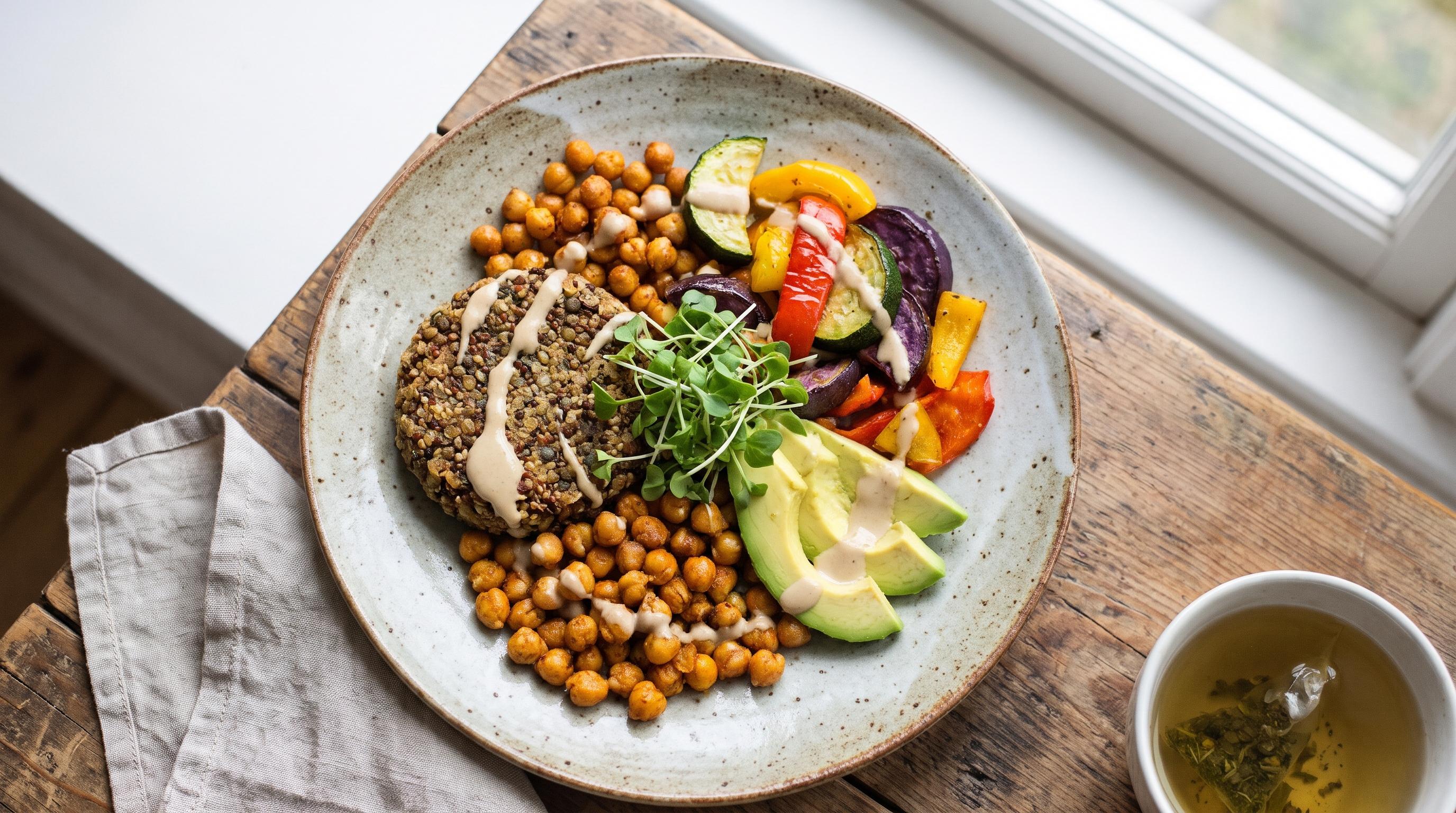
Adults between ages 18 and 65 should consume roughly 0.8 grams of protein per kilogram of body weight. Focus on whole sources like lentils, chickpeas, walnuts, and wild salmon.
Around age 65, protein needs bump up to 1.0 to 1.2 g/kg to guard against sarcopenia and frailty. Try making practical food swaps at the grocery store this week to hit these targets naturally.
Practical age-based protein targets
- Ages 18 to 65 - Target 0.8 grams per kilogram.
- Age 65 plus - Target 1.0 to 1.2 grams per kilogram.
- Plant sources - Focus on lentils and chickpeas.
- Animal sources - Choose wild salmon and clean proteins.
Establish an Overnight 12-Hour Fasting Baseline
Set up a gentle 12-hour overnight feeding window by concluding dinner by 7:00 PM and eating breakfast at 7:00 AM. An optimal cutoff around 5.5 hours before bedtime protects sleep quality and nocturnal glucose stability.
This approach requires zero calorie counting while unlocking regular baseline autophagy. It gives the digestive tract time to rest and repair the gut lining.
| Action | Outcome |
|---|---|
7:00 AM breakfast | Circadian alignment |
7:00 PM dinner | Digestive rest |
12-hour fast | Baseline autophagy |
Late snacking | Disrupted glucose |
Track Habits and Meal Windows with Smart Tools
Using a dedicated digital companion simplifies the transition without guesswork or frustration. High.diet helps balance high-protein meals with built-in fasting trackers and hydration logs.
The personalised high-protein meal plans adapt to your body naturally. The daily habit tracker ensures routines stay effortless and consistent over the long haul.
The platform delivers engaging lifestyle challenges that guide users through small changes leading to sustainable weight management.
Let's be real: structured guidance makes long-term habit formation stick when schedules get chaotic. While setting up these routines is straightforward, steering clear of a few frequent blunders keeps progress on track.
Common Longevity Pitfalls and Practical Considerations
Good intentions can sometimes derail longevity goals if marketing hype overrides biological reality. Here are the common traps to bypass.
Equating Rapid Weight Loss with Cellular Longevity
Extreme crash diets or ultra-low-carb plans packed with processed deli meats achieve scale drops at the expense of vascular integrity. Losing water weight or muscle mass accelerates frailty instead of extending healthspan.
Steady, nutrient-dense nourishment always outperforms radical deprivation.
For a balanced approach, High.diet provides light exercise routines and customised meal plans that preserve lean muscle mass. This ensures the body receives adequate nourishment rather than facing extreme physiological stress.

Overlooking Liquid Fructose and Hidden Refined Sugars
Sugar-sweetened beverages are a strong dietary driver of premature mortality according to university cohorts. Liquid sugars spike advanced glycation end-products (AGEs), stiffening blood vessels and damaging collagen.
Swap sodas and packaged juices for green tea or mineral water with citrus.
Tracking daily drinks is easier when using the comprehensive water intake tracker built into High.diet. Hydration visibility helps identify hidden sugars and encourages better choices throughout the week.
Relying on High-Dose Antioxidant Pills Instead of Whole Foods
Megadose synthetic antioxidant supplements fail to replicate the complex matrix of unique plant foods. Isolated pills can blunt natural cellular hormesis and mitochondrial adaptation.
Build plates around whole cruciferous greens, beans, and wild berries rather than swallowing handfuls of capsules.
Finding recipes that incorporate these whole foods is seamless with the nutrition guides available on High.diet. The app provides expert-backed meal ideas that prioritise real ingredients over synthetic supplements.
With the common traps mapped out, let's answer the most frequent questions readers face when evaluating their daily habits.
FAQ
Is intermittent fasting necessary if I already eat a healthy, whole-food diet?
Strict fasting is not mandatory, but a standard 12-hour overnight window is recommended. Giving the gut 12 hours of rest allows basal autophagy to take place.
This maintains natural circadian alignment without causing metabolic stress.
How much protein should I eat for longevity if I lift weights regularly?
Active resistance-training adults require slightly more protein to repair muscle tissue than sedentary peers. Target 1.2 to 1.6 g/kg from clean sources like legumes, fish, and poultry.
This supports muscle growth while avoiding chronic overactivation of mTOR.
Do I have to eliminate red meat completely to extend my lifespan?
Complete elimination is not strictly required, but moderation is key. Swapping red and processed meats for fish, tempeh, or beans three to four times a week lowers cardiovascular mortality markers.
Do carbohydrates accelerate aging, or are whole grains protective?
Not all carbs are harmful, and high dietary fibre from intact whole grains, oats, and legumes is highly protective. This dietary pattern is a strong predictor of extended disease-free survival.
Refined carbohydrates, on the other hand, should be minimised.
Can people in their 50s or 60s still reverse biological aging through diet?
Yes, studies tracking dietary upgrades in midlife and older adults show noticeable improvements. Arterial flexibility, inflammation markers, and gut microbiome diversity improve within just a few months.
Switching to whole-food patterns delivers measurable benefits regardless of starting age.
What is the difference between eating for weight loss versus eating for healthspan?
Short-term weight loss prioritises a simple caloric deficit regardless of food quality. Healthspan eating focuses on nutrient density, gut integrity, and cellular repair.
Preserving lean muscle and metabolic health remains the ultimate goal for long-term vitality.
Why does dinner timing matter so much for longevity?
Eating within two to three hours of sleep impairs nocturnal insulin sensitivity and blunts growth hormone release. Wrapping up eating 5.5 hours before bedtime aligns with natural peripheral circadian clocks.
This schedule promotes superior cellular repair throughout the night.
Related Articles
Are You Eating for Longevity? The Practical Blueprint to Adding 10 Healthy Years to Life
Health5 min read

How to Stop Overthinking: A Step-by-Step Guide to Breaking Mental Loops
Health5 min read

Habit Stacking: How To Build Sustainable Daily Routines
Health5 min read

Navigating The Three Stages Of Menopause: Timeline, Symptoms, And Body Changes After 40
Health5 min read

Adaptogens: Your Stress-Balancing Plant Allies for Resetting Cortisol in 60 Days
Health5 min read

Top Signs You're Overstimulated and How to Reset Your System in 15 Minutes
Health5 min read
Comments
(0)Leave a comment
Your email will not be published. All fields are required.