Discover a personalized approach to longevity nutrition.
Try no.Diet today
How to Fight Aging: A Physician’s Guide to Longevity
By: Healthtime Editorial
Fact checked by: QA Team
Updated on: October 25, 2026
0
3362
6 min
In this article
- Understanding the mechanisms of biological aging
- Nutritional strategies to slow metabolic decline
- Physical activity for structural and cardiovascular resilience
- Protecting the skin from premature aging
- Preserving cognitive function and mental well-being
- Sleep and recovery mechanisms
- FAQ

You fight aging by systematically optimizing cellular repair, managing inflammation, and maintaining metabolic flexibility through targeted lifestyle interventions. This process requires shifting focus from superficial treatments to the root causes of biological decline.
This guide is for individuals seeking evidence-based strategies to extend their healthspan and functional capacity. It covers the essential pillars of nutrition, movement, recovery, and cognitive resilience required for modern longevity.
Understanding the mechanisms of biological aging
While chronological age is fixed, biological age—the rate at which your cells and tissues degrade—is highly malleable. Recognizing the difference allows you to target the root causes of decline rather than just the symptoms.
Defining biological vs. chronological age
Chronological age simply counts the number of times you have orbited the sun, offering little insight into your actual health status. Biological age, conversely, reflects the functional capability and molecular integrity of your cells.
Lifestyle factors can significantly accelerate or decelerate these biological aging markers. Research consistently shows that individuals with the same birth year can possess vastly different physiological profiles.
I often point out that genetics loads the gun, but lifestyle pulls the trigger on aging processes. This means you have substantial agency over how rapidly your body functions degrade over time.
The role of inflammation and oxidative stress
Chronic inflammation, often termed 'inflammaging,' acts as a slow-burning fire that degrades tissues and damages DNA. This systemic irritation is often driven by environmental toxins, processed foods, and visceral fat.
Oxidative stress occurs when there is an imbalance between free radicals and the body's antioxidant defenses. Over time, this imbalance rusts the body from the inside out, compromising cellular machinery.
Fighting aging is largely about managing these two internal threats. Keeping inflammation low and antioxidant status high preserves the integrity of your genetic material.
Key markers of aging to monitor
Relying solely on how you look in the mirror is an ineffective way to gauge biological age. Functional biomarkers provide objective data regarding your internal rate of decay.
3. Essential Functional Checks
1. Grip Strength — Use a hand dynamometer to test neuromuscular function, as this correlates strongly with overall longevity.
2. Resting Heart Rate — Monitor your morning pulse; a lower rate generally indicates better cardiovascular efficiency and autonomic tone.
3. Recovery Speed — Note how quickly your heart rate returns to baseline after intense exertion.
2. Resting Heart Rate — Monitor your morning pulse; a lower rate generally indicates better cardiovascular efficiency and autonomic tone.
3. Recovery Speed — Note how quickly your heart rate returns to baseline after intense exertion.
If you notice sudden, unexplained fatigue or rapid weight changes, consult a professional immediately. These may be signs of underlying pathology rather than the normal progression of getting older.
Once you understand the internal mechanisms, the most powerful tool you have to influence them is what you put on your plate.
Nutritional strategies to slow metabolic decline
Nutrition acts as a biochemical signal to your genes, influencing everything from hormonal balance to cellular repair. Adopting a longevity-focused diet is less about restriction and more about nutrient density and metabolic flexibility.
Prioritizing antioxidant-rich whole foods
A colorful array of vegetables and fruits provides the necessary compounds to combat daily oxidative stress. These foods contain polyphenols that act as cellular protectors against environmental damage.
Relying solely on supplements is often ineffective because the synergy of compounds in whole foods offers superior bioavailability. The complex matrix of fiber and nutrients in real food cannot be replicated in a pill.
Specific food groups demonstrate potent anti-aging properties in clinical literature. Incorporating dark berries, leafy greens, and cruciferous vegetables creates a robust defense system.
Managing blood sugar and glycation
Glycation occurs when excess sugar binds to proteins in the blood, creating harmful molecules that stiffen tissues. This process directly contributes to arterial hardening and skin aging.
Stabilizing blood sugar requires a focus on adequate fiber intake and the reduction of refined carbohydrates. Preventing glucose spikes helps avoid the internal 'sugar sagging' that ages organs prematurely.
The importance of protein for tissue maintenance
Protein requirements do not decrease with age; in fact, they often increase to combat natural muscle loss. Adequate amino acid intake is the primary signal for tissue repair and enzyme production.
Targeting a range of 1.2–1.6 grams of protein per kilogram of body weight supports structural integrity. This nutrient is critical for maintaining skin elasticity, immune function, and skeletal muscle mass.
Hydration and cellular efficiency
Chronic low-grade dehydration compromises cellular function and makes the skin appear older and less resilient. Water is the medium in which all metabolic processes occur, so a deficit slows down waste removal.
Maintenance involves more than just drinking plain water throughout the day. Consuming electrolytes or water-rich foods like cucumber helps retain fluid within the cells where it is needed most.
Intermittent fasting and caloric awareness
Time-restricted eating, such as the 16:8 method, can activate autophagy, a cellular cleanup process that recycles damaged components. This metabolic rest period allows the body to focus on repair rather than digestion.
However, fasting is not a panacea and must be balanced with adequate nutrient intake during eating windows. Malnutrition accelerates aging faster than overnutrition, so specific needs must be met.
Digital tools can help manage this balance without obsession. Apps like no.Diet support users in tracking nutrient timing and quality to ensure they remain in a restorative state rather than a depleted one.
While nutrition provides the building blocks, physical movement is the signal that tells your body to keep those structures strong.
Physical activity for structural and cardiovascular resilience
Exercise is the closest thing we have to a fountain of youth, triggering systemic benefits that no pill can replicate. A comprehensive anti-aging routine must address strength, endurance, and mobility simultaneously.
Strength training to combat sarcopenia
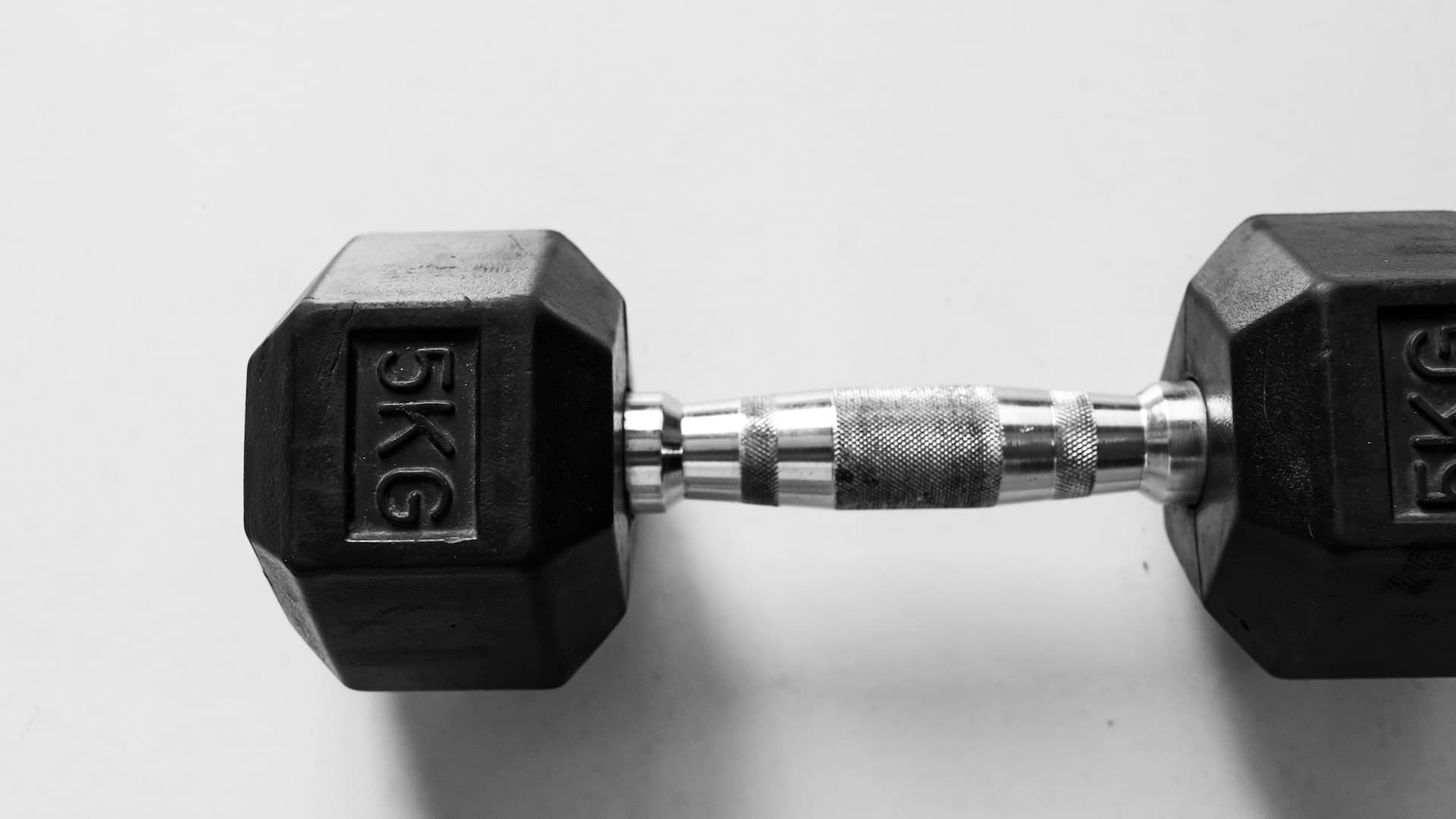
Sarcopenia is the involuntary loss of skeletal muscle mass and strength that occurs with age. Resistance training is the only non-negotiable intervention to halt or reverse this process.
Muscle mass acts as a 'metabolic sink' for glucose, helping to regulate blood sugar levels and protect bone density. Aim for 2–3 sessions per week with a focus on progressive overload to stimulate adaptation.
Zone 2 cardio for mitochondrial health
Low-intensity, steady-state cardio, often called Zone 2, significantly improves mitochondrial efficiency. This training intensity enhances the body's ability to utilize fat for fuel and clear lactate.
You should maintain a pace where you can hold a conversation comfortably but would struggle to sing. Unlike high-intensity efforts, this modality can be performed frequently without causing excessive systemic fatigue.
High-intensity intervals for VO2 max
VO2 max, or maximum aerobic capacity, is one of the strongest predictors of all-cause mortality. Incorporating high-intensity interval training (HIIT) spikes the heart rate and forces cardiovascular adaptations.
One session per week is often sufficient to improve cardiovascular elasticity and output. Beginners should start slowly to prevent injury, as the demand on the joints and nervous system is high.
Mobility and balance work
Flexibility and balance are often neglected until a fall occurs, which can be catastrophic in later years. Dedicated mobility drills ensure joints move through their full range of motion without pain.
Practices like yoga or specific balance exercises are critical for maintaining independence. Mobility is what allows you to utilize the strength you have built in real-world scenarios.
Breaking sedentary patterns
'Active aging' is undermined if you exercise for an hour but remain seated for the rest of the day. Prolonged sitting creates metabolic stagnation that blunts the benefits of your workout.
Implement 'movement snacks' or standing breaks every 30–60 minutes to keep key enzymes active. These brief interruptions in sedentary time significantly improve glucose regulation and circulation.
Internal health is vital, but the most visible signs of aging occur on the surface, where your body meets the environment.
Protecting the skin from premature aging
Your skin is your first line of defense and often the first place to show signs of wear. Preventing extrinsic damage is far more effective than trying to reverse it later with expensive treatments.
The non-negotiable role of sun protection
UV radiation contributes to nearly 80% of visible facial aging changes. Daily use of broad-spectrum SPF 30+ is essential, regardless of cloud cover or season.
UVA rays penetrate deep into the dermis to destroy collagen, while UVB rays cause surface burning. Consult a dermatologist immediately if you notice changing moles or persistent sores on your skin.
Topical ingredients that actually work
The skincare market is flooded with hype, but only a few ingredients have robust clinical backing. Retinoids, Vitamin C, and peptides remain the gold standards for topical anti-aging.
3 Proven Topical Steps
1. Morning Defense — Apply Vitamin C serum under sunscreen to neutralize free radicals that penetrate the UV filter.
2. Evening Repair — Use a retinoid at night to accelerate cell turnover and stimulate collagen production.
3. Barrier Support— Seal active ingredients with a ceramide-rich moisturizer to prevent irritation.
2. Evening Repair — Use a retinoid at night to accelerate cell turnover and stimulate collagen production.
3. Barrier Support— Seal active ingredients with a ceramide-rich moisturizer to prevent irritation.
Environmental barriers and routine
Pollution and dry air compromise the skin barrier, leading to dehydration and fine lines. A simple routine focused on gentle cleansing preserves the acid mantle and natural microbiome.
Skincare should be viewed as a health habit rather than a vanity project. Maintaining a strong barrier prevents pathogens from entering and essential hydration from escaping.
While we often focus on the physical body, the aging process impacts the brain just as significantly, though often more silently.
Preserving cognitive function and mental well-being
Brain health is not static; neuroplasticity allows us to build new neural pathways well into old age. Keeping your mind sharp requires the same level of intention as keeping your body strong.
Continuous learning and novelty
Learning new, complex skills builds 'cognitive reserve,' which acts as a buffer against age-related decline. Activities like learning a language or an instrument challenge the brain far more than passive consumption.
Stepping out of your mental comfort zone forces neurons to forge new connections. Contrast this with watching television, which often encourages a passive cognitive state.
Managing chronic stress and cortisol
Chronic stress creates a toxic chemical environment for the brain, specifically damaging the hippocampus. High levels of cortisol over time can physically shrink brain volume and impair memory.
Management techniques like box breathing or nature exposure are biological necessities for neuroprotection. Reducing the allostatic load on the nervous system prevents premature cognitive aging.
Social connection as a longevity factor
Strong social bonds are consistently linked to lower rates of cognitive decline and mortality. Loneliness triggers stress responses that are as damaging to health as smoking or obesity.
Social interaction is a complex cognitive task that requires processing language, emotion, and cues in real time. Engaging with a community keeps the brain agile and emotionally resilient.
None of these interventions will be fully effective, however, if your body does not get adequate time to repair itself.
Sleep and recovery mechanisms
Sleep is the time when your body clears metabolic waste and repairs DNA damage. Neglecting sleep accelerates aging phenotypes across every system in the body.
Optimizing sleep architecture
Deep sleep is critical for physical restoration, while REM sleep handles emotional and cognitive processing. Both phases are necessary for a complete anti-aging strategy.
Keeping the bedroom cool, ideally around 18°C (65°F), signals the body to enter deep sleep states more readily. Sleep hygiene serves as the foundation upon which all diet and exercise efforts rest.
Aligning with circadian rhythms
Morning sunlight and evening darkness are the primary regulators of your body's internal clock. Circadian misalignment, often called social jetlag, places significant stress on metabolic organs.
Maintaining consistent wake and sleep times helps synchronize hormonal releases. This regularity ensures that repair processes occur efficiently every single night.
By mastering these pillars of health, you transition from passively aging to actively managing your longevity.
FAQ
Can you actually reverse the aging process?
You cannot reverse chronological age, but you can reverse biological age markers. Lifestyle changes can improve biomarkers like insulin sensitivity and VO2 max, effectively making your body function like a younger one.
At what age should I start fighting aging?
Prevention is most effective when started early, ideally in your 20s or 30s. However, it is never too late to start; interventions in the 60s and 70s still yield significant improvements in healthspan.
What is the single most effective way to fight aging?
There is no single 'magic bullet,' but exercise has the broadest impact on longevity. It simultaneously benefits cardiovascular health, muscle mass, insulin regulation, and cognitive function.
Does stress really make you age faster?
Yes, chronic stress shortens telomeres, the protective caps on your DNA strands. Accelerated telomere shortening is directly associated with faster cellular aging and increased disease risk.
Related Articles

Top Signs You're Overstimulated and How to Reset Your System in 15 Minutes
Health5 min read

Hormone Types And Functions: A Practical Guide To How 50+ Messengers Direct Energy, Mood, And Metabolism
Health5 min read

What Time Should You Go to Bed? Science-Backed Windows for Better Sleep
Health5 min read

"Health Maxxing" For Millennials: How To Optimize Energy And Longevity In 90 Days
Health5 min read

What Increases Cortisol: Everyday Triggers for Busy 25-55 Year Olds and Positive Habits to Support Healthy Rhythm
Health5 min read

Postbiotics vs Probiotics: Which Delivers Faster Gut Relief
Health5 min read
Comments
(0)Leave a comment
Your email will not be published. All fields are required.