Optimize your nutrition for better antioxidant defense today.
Explore no.Diet plans
How to Reduce Hydrogen Peroxide in the Body: Boosting Natural Defenses
By: Healthtime Editorial
Fact checked by: QA Team
Updated on: October 25, 2026
0
2057
8 min
In this article
- The Science of Hydrogen Peroxide and Oxidative Stress
- Dietary Strategies to Boost Antioxidant Enzymes
- Lifestyle Modifications to Lower Oxidative Load
- Hydrogen Peroxide and Gray Hair: A Specific Connection
- Safety Warning: Acute Ingestion and Toxicity
- FAQ
- Conclusion
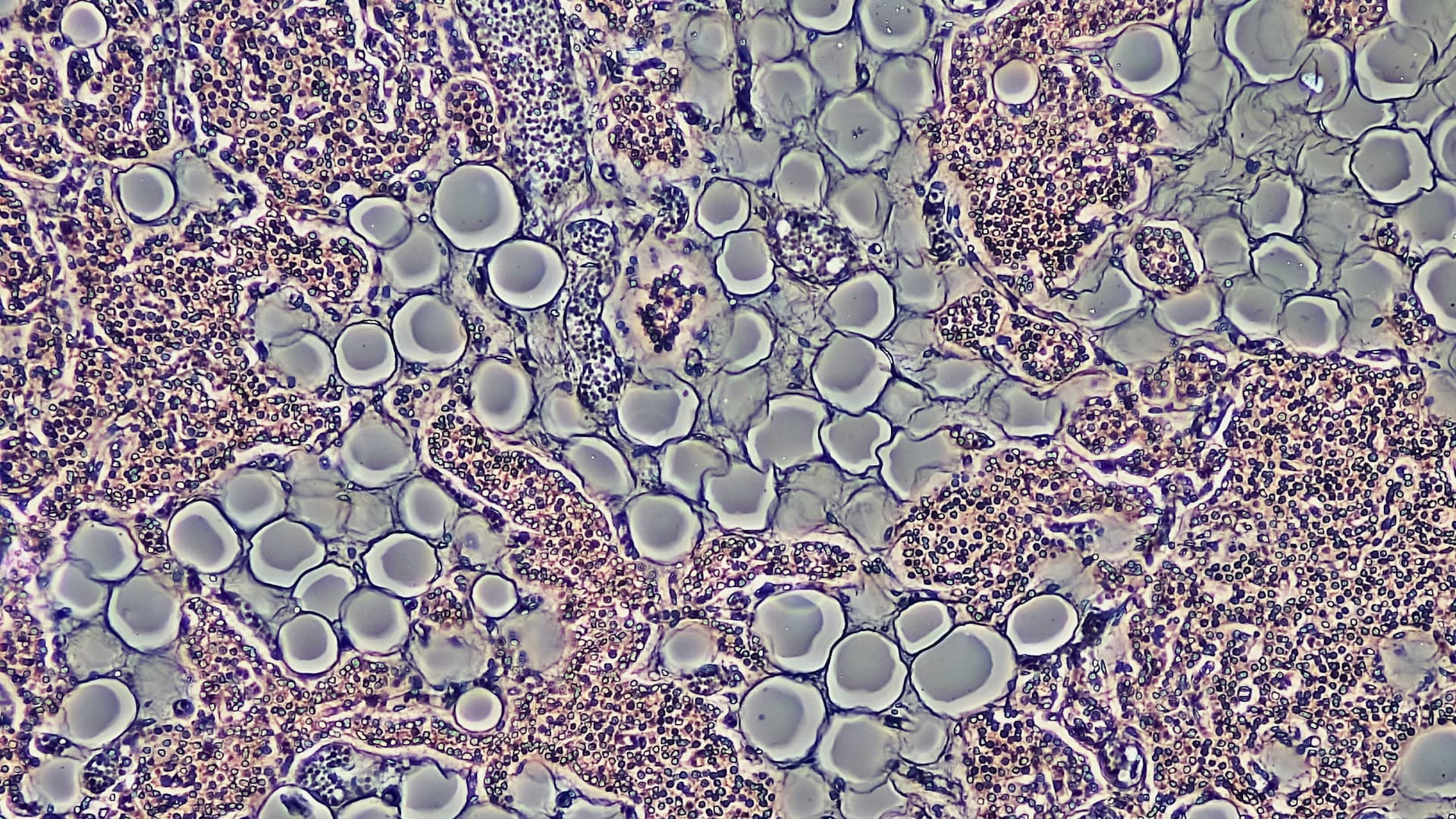
Reducing hydrogen peroxide in the body primarily involves supporting the enzymatic systems that neutralize it naturally. By optimizing diet and lifestyle, you can enhance the activity of catalase and glutathione peroxidase to convert oxidative compounds into harmless water.
This article explores the science behind these mechanisms and practical steps to support them. We will cover specific dietary sources, lifestyle adjustments, and safety precautions regarding acute exposure.
The Science of Hydrogen Peroxide and Oxidative Stress
Before attempting to reduce levels, it is important to understand that hydrogen peroxide (H2O2) serves a dual role as both a signaling molecule and a potential toxin. The body maintains a delicate balance, known as redox homeostasis, to prevent damage while allowing necessary immune and metabolic functions.
How the Body Naturally Neutralizes H2O2
I often explain that the body is equipped with a sophisticated detoxification system designed to handle oxidative byproducts. Two primary enzymes are responsible for this task: catalase and glutathione peroxidase.
Catalase is an incredibly efficient enzyme found in nearly every living organism exposed to oxygen. It works by rapidly converting hydrogen peroxide into water and oxygen gas.
This process happens at an astonishing rate, with a single catalase molecule converting millions of H2O2 molecules every second. This speed is vital for protecting cells from the immediate damage caused by oxidative accumulation.
Glutathione peroxidase operates differently by using glutathione as a cofactor to reduce hydrogen peroxide. This enzyme reduces H2O2 to water while simultaneously oxidizing glutathione, which the body then recycles.
Causes of Excess Hydrogen Peroxide Accumulation
Several factors can tip the scale toward excess accumulation, a state commonly referred to as oxidative stress. Environmental toxins, UV radiation, and chronic inflammation are significant external contributors.
Dietary choices also play a massive role, particularly the consumption of processed foods high in sugar and unhealthy fats. These foods increase the metabolic burden on cells, leading to higher production of reactive oxygen species.
Age is perhaps the most persistent factor in this equation. Research shows that catalase levels naturally drop as we age, which reduces the body's capacity to neutralize H2O2 efficiently.
Once we understand the biological mechanisms, we can look at dietary interventions to support these enzymes.
Dietary Strategies to Boost Antioxidant Enzymes
Nutritional support is the most effective way to enhance the body's capacity to break down hydrogen peroxide. Specific nutrients act as cofactors for the enzymes responsible for detoxification.
Increasing Selenium Intake for Glutathione Peroxidase
Selenium is a trace mineral that acts as a non-negotiable cofactor for glutathione peroxidase activity. Without adequate selenium, this enzyme cannot perform its protective role against oxidative stress.
I frequently highlight Brazil nuts as the most potent natural source of this mineral. Eating just one or two Brazil nuts a day can often meet the body's requirements.
Other excellent sources include sardines, eggs, and sunflower seeds. The Recommended Dietary Allowance (RDA) for selenium is 55 micrograms (mcg) per day for adults.
Selenium Sources Checklist
- Brazil Nuts — Approx. 68–91 mcg per nut (exceeds daily RDA).
- Sardines — Approx. 45 mcg per 85g serving.
- Eggs — Approx. 15 mcg per large egg.
Tracking these micronutrients can sometimes be complex for individuals starting a new regimen. Digital tools like no.Diet help simplify nutritional tracking to ensure adequate cofactor intake without exceeding safe limits.
Prioritizing Catalase-Rich Foods
Certain plant foods naturally contain catalase or support the body's production of it. Fresh fruits and vegetables like apricots, avocados, and sweet potatoes are particularly beneficial.
It is crucial to note that heat deactivates most enzymes, including catalase. Therefore, incorporating raw produce into your diet is necessary to derive this specific enzymatic benefit.
Many people find that adding a raw salad or smoothie to their daily routine is an easy way to increase intake. Leeks, onions, and radishes also offer support for these enzymatic pathways.
Leveraging Vitamin C and E
Vitamin C and Vitamin E work synergistically as non-enzymatic antioxidants to protect cellular integrity. While enzymes perform the heavy lifting of detoxification, these vitamins scavenge free radicals that lead to H2O2 formation.
Vitamin C is water-soluble and patrols the intracellular fluids, while Vitamin E is fat-soluble and protects cell membranes. Together, they form a comprehensive defense shield against oxidation.
Citrus fruits, bell peppers, and strawberries are excellent sources of Vitamin C. For Vitamin E, almonds and sunflower seeds are among the most concentrated natural options available.
Incorporating Cruciferous Vegetables
Cruciferous vegetables like broccoli, Brussels sprouts, and kale contain powerful sulfur-containing compounds. One of the most studied compounds is sulforaphane, which activates the Nrf2 pathway.
The Nrf2 pathway acts as a master regulator of antioxidant responses in the body. When activated, it triggers the expression of various antioxidant proteins that handle oxidative stress and toxin removal.
Diet is foundational, but lifestyle habits play an equally critical role in managing systemic oxidative stress.
Lifestyle Modifications to Lower Oxidative Load
Your daily habits directly influence the volume of reactive oxygen species your body produces. Optimizing sleep and stress levels can preserve your antioxidant reserves for when they are needed most.
Managing Chronic Stress
Psychological stress has a direct physiological connection to oxidative stress levels. Chronic elevation of cortisol increases the accumulation of metabolic byproducts that require detoxification.
Research indicates that sustained stress depletes the body's antioxidant capacity over time. Integrating reduction techniques like deep breathing or meditation can lower the body's baseline production of ROS.
Optimizing Sleep for Cellular Repair
Sleep provides the primary window for the brain and body to clear metabolic waste, including reactive oxygen species. During deep sleep, the brain's glymphatic system becomes highly active to flush out toxins.
The interstitial space in the brain increases by approximately 60% during sleep to facilitate this flushing process. Without adequate rest, these oxidative byproducts accumulate and can lead to cellular dysfunction.
Moderate Exercise and Hormesis
Moderate exercise utilizes the concept of hormesis, where a mild stressor triggers a beneficial adaptation. Physical activity temporarily increases oxidative stress, which signals the body to upregulate its natural antioxidant defenses.
However, it is vital to balance intensity, as overtraining can lead to excessive H2O2 buildup that overwhelms these defenses. Aim for consistent, moderate movement rather than sporadic, high-intensity exhaustion.
Minimizing Environmental Oxidant Exposure
External sources of free radicals significantly add to the body's total oxidative load. Cigarette smoke, industrial pollution, and pesticides are primary environmental offenders that deplete internal antioxidant stores.
To illustrate the severity, a single puff of cigarette smoke contains approximately 10^15 free radicals. This massive influx forces the body to divert critical enzymes away from normal metabolic maintenance.
A common visible sign of hydrogen peroxide accumulation is the graying of hair, which warrants specific attention.
Hydrogen Peroxide and Gray Hair: A Specific Connection
One of the most common reasons people research reducing hydrogen peroxide is its link to premature graying. In the hair follicle, a lack of catalase allows H2O2 to bleach the hair pigment from the inside out.
The Mechanism of Follicular Bleaching
The graying process involves the oxidative bleaching of melanin, the pigment that gives hair its color. This occurs when catalase activity in the scalp drops, allowing hydrogen peroxide to accumulate in the hair shaft.
This is a localized accumulation issue rather than purely a systemic toxicity problem. The excess peroxide attacks the tyrosinase enzyme, which is necessary for melanin production.
Targeted Interventions for Hair Health
Approaches specific to hair health often focus on improving scalp circulation and nutrient delivery. B vitamins, particularly B12 and folate, along with copper and zinc, are essential for maintaining pigment production.
While systemic reduction helps, ensuring localized blood flow through scalp massage can aid in delivering these nutrients. Supporting the body with a plan from no.Diet can help ensure you get the necessary vitamins for hair health.
While metabolic accumulation is a long-term health focus, acute exposure or ingestion requires a completely different safety protocol.
Safety Warning: Acute Ingestion and Toxicity
It is vital to distinguish between metabolic hydrogen peroxide and the accidental ingestion of household or food-grade peroxide. Ingesting hydrogen peroxide does not 'detox' the body; it causes severe tissue damage.
Dangers of Ingesting H2O2
I strongly advise against 'oxygen therapy' fads that suggest drinking diluted peroxide for health benefits. The medical risks are severe and include air embolisms that can block blood flow to the heart or brain.
Corrosive damage to the gut lining and potential organ failure are also significant risks associated with ingestion. The release of gas volume in the stomach can lead to perforation and requires immediate emergency care.
Immediate Steps for Accidental Poisoning
If accidental ingestion occurs, taking the correct steps immediately is critical for safety. Do not induce vomiting unless specifically directed by poison control professionals.
Emergency Protocol
- Assess Concentration — Check the bottle label immediately for strength (e.g., 3%, 35%).
- Do Not Vomit — Vomiting can cause further corrosive damage to the esophagus.
- Seek Care — Call local poison control or emergency services if pain or difficulty breathing occurs.
FAQ
Can drinking water flush out hydrogen peroxide?
Drinking water supports overall kidney function and detoxification, but it does not directly 'flush' hydrogen peroxide from cells. H2O2 is neutralized enzymatically inside the cell, not washed away like a surface toxin.
Does lemon juice reduce hydrogen peroxide in the body?
Lemon juice provides Vitamin C, which is an antioxidant that can help scavenge free radicals. However, it does not contain the enzyme catalase and cannot directly break down hydrogen peroxide molecules.
What is the best vitamin to break down hydrogen peroxide?
There is no single vitamin that breaks it down; enzymes do that work. However, Selenium (a mineral) is the critical cofactor for glutathione peroxidase, the enzyme that reduces H2O2.
Is hydrogen peroxide buildup reversible?
Yes, metabolic buildup can often be managed and reduced by improving antioxidant status and reducing oxidative triggers. Restoring enzyme levels through diet and lifestyle changes helps re-establish balance.
Conclusion
Reducing hydrogen peroxide in the body is a matter of restoring balance to your natural enzymatic defenses. By increasing selenium and catalase-rich foods, managing stress, and prioritizing sleep, you can support the body's ability to neutralize oxidative stress.
Consistency in these lifestyle choices is key to long-term cellular health. Start by making small dietary adjustments today to protect your body for the future.
Learn more
Related Articles

Top Signs You're Overstimulated and How to Reset Your System in 15 Minutes
Health5 min read

Hormone Types And Functions: A Practical Guide To How 50+ Messengers Direct Energy, Mood, And Metabolism
Health5 min read

What Time Should You Go to Bed? Science-Backed Windows for Better Sleep
Health5 min read

"Health Maxxing" For Millennials: How To Optimize Energy And Longevity In 90 Days
Health5 min read

What Increases Cortisol: Everyday Triggers for Busy 25-55 Year Olds and Positive Habits to Support Healthy Rhythm
Health5 min read

Postbiotics vs Probiotics: Which Delivers Faster Gut Relief
Health5 min read
Comments
(0)Leave a comment
Your email will not be published. All fields are required.