Simplify your longevity nutrition plan.
Try no.Diet today
Radical Life Extension: Science, Ethics, and Future Possibilities
By: Healthtime Editorial
Fact checked by: QA Team
Updated on: September 17, 2026
0
528
8 min
In this article
- What Is Radical Life Extension?
- Radical Extension vs. Standard Medicine: Key Differences
- The Biological 'Ceiling' vs. Breakthrough Potential
- Key Mechanisms Under Investigation
- Ethical and Societal Implications
- Maximizing Current Lifespan: A Physician’s Perspective
- The Future Roadmap: What Lies Ahead?
- FAQ
- Conclusion
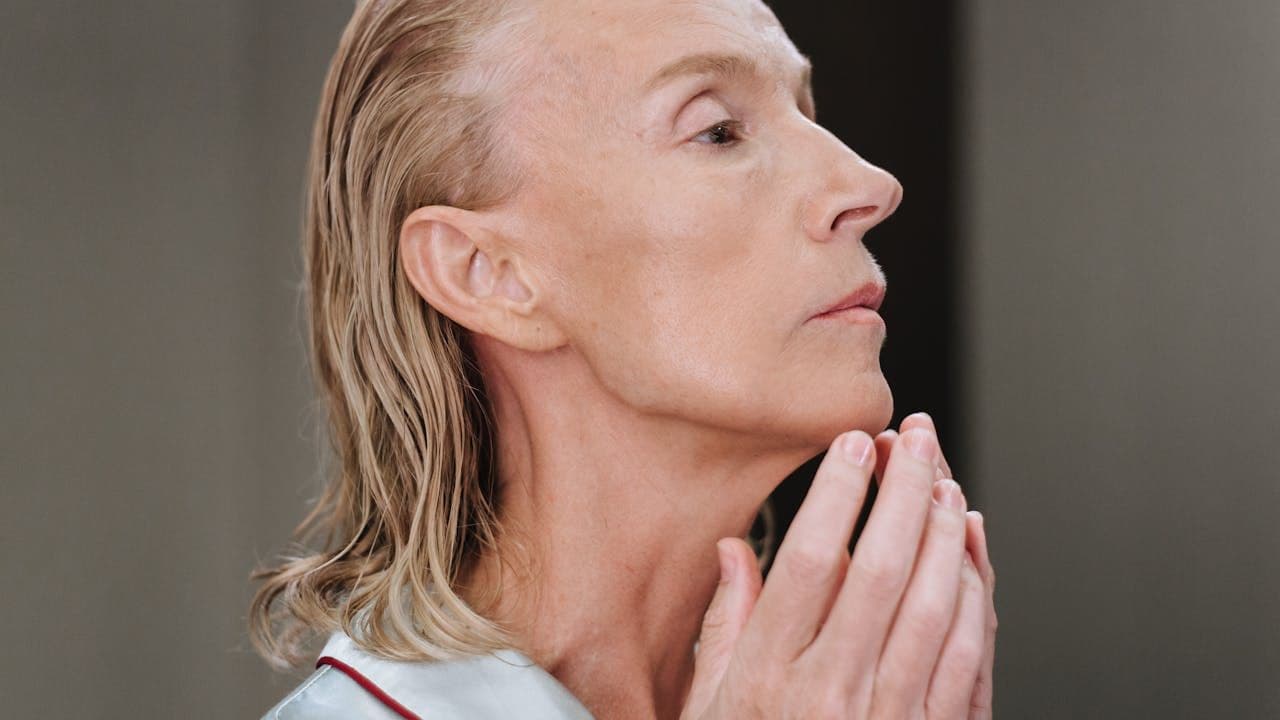
Radical life extension is the pursuit of significantly slowing or reversing the aging process to extend human life beyond the current 120-year limit. This article explores the emerging science, ethical debates, and practical steps currently available to maximize longevity.
While science fiction often depicts immortality, modern research focuses on biological engineering. The goal is to treat aging as a manageable condition rather than an inevitability.
What Is Radical Life Extension?
Radical life extension (RLE) is distinct from standard medical care, which focuses on treating specific diseases to extend average life expectancy. RLE aims to target the underlying processes of aging itself to extend the maximum potential lifespan of the human species.
Defining the concept
RLE is often confused with immortality, but they are fundamentally different concepts. Immortality implies an inability to die, whereas RLE simply aims to postpone death indefinitely through technological intervention.
Proponents of this field are not satisfied with merely reaching 100 years of age. The target is often a lifespan of 150, 200, or more years achieved by repairing biological damage as it occurs.
Healthspan vs. lifespan
A critical distinction in this field is the difference between living longer (lifespan) and living without chronic disease (healthspan). Living to 150 would be undesirable if the final 50 years were spent in a state of frailty or cognitive decline.
Therefore, RLE advocates focus heavily on the 'compression of morbidity'. This ensures that the extended years are spent in youthful vigor and good health.
Current status
The scientific consensus currently holds that while radical extension is theoretically possible, it has not yet been achieved in humans. Significant progress has been documented in animal models, particularly with C. elegans worms and mice.
Researchers have successfully extended the lives of these organisms by manipulating specific genes and metabolic pathways. To understand the feasibility of these goals for humans, we must look at the difference between standard healthcare and radical intervention.
Radical Extension vs. Standard Medicine: Key Differences
While traditional medicine fights specific pathologies like cancer or heart disease, radical life extension treats aging as the primary pathology. This shift in perspective fundamentally changes how we approach healthcare and biological limits.
Comparison at a glance
The following table outlines the fundamental shifts required to move from our current medical model to one focused on radical extension. This highlights the goal of breaking the '120-year ceiling'.
| Standard Medicine | Radical Life Extension |
|---|---|
Reactive Approach | Proactive Prevention |
Treats Single Diseases | Treats Systemic Aging |
Modest Lifespan Gains | Exponential Lifespan Gains |
Accepts Biological Limits | Engineers New Limits |
The shift to geroscience
There is a significant medical paradigm shift occurring toward 'geroscience'. This field represents the intersection of basic aging biology and clinical medicine.
Instead of waiting for cancer or dementia to appear, geroscience seeks to delay the onset of all age-related diseases simultaneously. It does this by targeting the molecular mechanisms of aging directly.
However, achieving these goals requires overcoming significant biological hurdles that currently limit human survival.
The Biological 'Ceiling' vs. Breakthrough Potential
A major debate exists between demographers, who argue human lifespan is hitting a natural limit, and biologists, who believe these limits are engineering problems to be solved. Recent studies underscore the difficulty of extending life without fundamental biological reprogramming.
The argument for a biological limit
Recent findings suggest that improvements in human life expectancy are slowing down due to 'diminishing returns' in current medical technology. Despite advances in treating heart disease and cancer, the maximum age at death has not increased significantly.
Some data points to a gain limit of approximately 0.5 years per decade in developed nations. This metric illustrates the slowing pace of longevity gains without radical technological shifts.
The engineering perspective
In contrast, the 'engineering' perspective, often associated with organizations like SENS, views the human body as a complex machine. The argument is that like a vintage car, the body can theoretically run indefinitely if parts are repaired or replaced.
This view posits that there is no immutable expiration date coded into our biology. Instead, death is the result of accumulated damage that eventually exceeds the body's self-repair capacity.
Why now is a pivotal time
We stand at a unique moment in history where computation and biology are merging. While we haven't broken the 120-year ceiling yet, the convergence of AI, genomics, and biotechnology is accelerating discovery.
These tools are allowing scientists to identify potential interventions faster than ever before. To break through this ceiling, scientists are investigating several specific biological mechanisms that drive the aging process.
Key Mechanisms Under Investigation
Research into radical life extension focuses on the 'hallmarks of aging,' a set of biological processes that deteriorate over time. Intervening in these specific areas offers the most promising path toward significantly longer lives.
Cellular senescence and senolytics
As we age, some cells stop dividing but refuse to die, becoming what are known as 'zombie cells' or senescent cells. These cells accumulate and secrete inflammatory chemicals that damage neighboring healthy tissue.
Therapies known as 'senolytics' are being developed to selectively clear these cells from the body. Research involving compounds like Dasatinib and Quercetin has shown promise in animal trials for rejuvenating tissues.
Genomic instability and repair
Our DNA is under constant attack from environmental factors and metabolic byproducts, leading to accumulated damage over time. This genomic instability is a primary driver of aging and cancer.
Scientists are exploring interventions like CRISPR gene editing to correct errors. Epigenetic reprogramming is another avenue, aiming to reset cell age markers to restore youthful function without losing cellular identity.
Mitochondrial dysfunction
Mitochondria are the power plants of our cells, but their efficiency declines significantly with age. This loss of energy production contributes to metabolic disorders and fatigue.
Current research investigates methods to restore mitochondrial function. The goal is to maintain high energy levels and metabolic health well into advanced age.
Proteostasis and waste clearance
Proteostasis refers to the body's ability to fold proteins correctly and clear out cellular waste. A process called autophagy is responsible for recycling these waste products.
When this system fails, misfolded proteins accumulate, leading to diseases like Alzheimer's. Enhancing these waste-clearance processes could prevent neurodegeneration and extend life.
While the science advances, the prospect of living for centuries raises complex ethical and societal questions.
Ethical and Societal Implications
If radical life extension becomes reality, it will disrupt every aspect of human society, from retirement models to family structures. Critics and proponents alike debate whether humanity is ready for such a profound shift.
Overpopulation and resource allocation
A common fear is that significantly longer lives will lead to disastrous overpopulation. However, demographers point out that birth rates are already falling below replacement levels (<2.1) in most developed nations.
Furthermore, an extended lifespan would likely include an extended healthspan. This implies prolonged productivity, potentially balancing the additional resource consumption.
Inequality and access
There is a valid ethical risk of creating a 'longevity divide' in society. If only the wealthy can afford life-extending treatments, we may see a class of biological elites.
Historical parallels with other medical technologies suggest that early access is often unequal. Ensuring equitable distribution will be a major policy challenge.
The human experience
Psychologically, we must consider how a 150-year life would alter the human experience. Some worry about 'ennui', or profound boredom, while others foresee a renaissance of learning and creativity.
Traditional life stages like career and marriage would likely be redefined. We might see multiple careers and serial marriages becoming the norm.
While waiting for these futuristic treatments, there are evidence-based strategies available now to maximize your current biological potential.
Maximizing Current Lifespan: A Physician’s Perspective
We cannot yet prescribe a pill for radical extension, but we can optimize the body's natural repair systems to hit the upper limits of our current genetic potential. These strategies focus on metabolic flexibility, stress resilience, and early detection.
Hormetic stress strategies
Hormesis involves exposing the body to short bursts of beneficial stress to upregulate repair pathways like AMPK. Protocols such as sauna use, cold exposure, or HIIT are effective tools.
However, individuals should screen for heart conditions before starting thermal or high-intensity regimens. A simple protocol might look like this:
Basic Hormesis Protocol
- Heat Stress — 15-20 minutes in a sauna at 80°C.
- Cold Shock — 1-2 minutes in a cold plunge or shower.
- Rest — 10 minutes of hydration and relaxation.
Nutritional foundations beyond dieting
Moving beyond simple calorie counting is essential for longevity. Strategies like time-restricted feeding and protein cycling help reduce glycemic variability and improve metabolic health.
Implementing these complex protocols can be difficult to sustain without assistance. Many people use digital tools like no.Diet to personalize their nutrition plan and ensure they meet their specific metabolic goals.
It is important to note that restrictive diets may not be suitable for older adults. Those at risk of sarcopenia (muscle loss) need to prioritize adequate protein intake.
Sleep and neuroprotection
Sleep acts as the primary neuroprotective intervention available today. The glymphatic system clears toxins from the brain primarily during deep sleep cycles.
Focus on circadian alignment by viewing morning sunlight and controlling your light environment at night. This simple habit significantly impacts long-term cognitive health.
Advanced diagnostics and screening
Proactive screening is superior to reactive treatment. Advanced tools like full-body MRI, genomic risk scoring, and VO2 Max testing can catch manageable issues decades before they become fatal.
Knowing your baseline allows for targeted interventions. Early detection transforms a potential crisis into a manageable inconvenience.
The role of current geroprotectors
There is growing interest in supplements and off-label drugs like Rapamycin or Metformin. Research indicates these may have geroprotective properties, though they remain experimental for longevity purposes.
Consult a longevity-focused physician before starting any off-label protocols. Safety profiles must be carefully weighed against potential benefits.
Looking ahead, the roadmap for radical life extension involves converging technologies that may arrive sooner than expected.
The Future Roadmap: What Lies Ahead?
The journey toward radical life extension is a marathon, not a sprint, but the pace is accelerating due to computational biology. The next decade will likely focus on moving from animal success stories to human clinical validation.
AI in longevity research
Artificial intelligence is revolutionizing how we discover anti-aging compounds. AI algorithms can simulate biological age and screen millions of molecules for geroprotective properties in a fraction of the time traditional methods require.
This computational approach speeds up discovery timelines significantly. It allows researchers to identify promising candidates that would have otherwise gone unnoticed.
Nanomedicine and synthetic biology
Further on the horizon are futuristic concepts like nanobots designed for cellular repair. These microscopic machines could patrol the bloodstream, repairing damage at a molecular level.
Additionally, 3D-printed organs offer the potential to replace failing biological systems entirely. This suggests a future where organ failure is a fixable mechanical issue rather than a fatal event.
FAQ
Is radical life extension possible right now?
Currently, no technology exists to radically extend human life beyond the maximum limit of roughly 120 years. However, lifestyle interventions can help individuals reach the upper end of current average life expectancy.
What is the difference between life extension and immortality?
Life extension aims to increase the healthy lifespan of a person, potentially to 150 years or more. Immortality implies an inability to die from any cause, which is not scientifically considered feasible.
How does caloric restriction affect lifespan?
Caloric restriction has consistently shown lifespan extension in various animal models. In humans, it appears to improve metabolic markers and reduce disease risk, though its effect on maximum lifespan is still being studied.
What is the SENS approach to aging?
SENS (Strategies for Engineered Negligible Senescence) proposes that aging is caused by accumulated cellular and molecular damage. The approach focuses on repairing this damage rather than just treating the symptoms of aging.
Will life extension treatments be expensive?
Initially, advanced treatments like gene therapy will likely be expensive. However, like many medical technologies, costs are expected to decrease over time as adoption scales and manufacturing improves.
Conclusion
Radical life extension represents one of the most ambitious frontiers in modern science. While we are not yet able to reverse aging, the convergence of AI and biotechnology offers hope for the future.
By focusing on current evidence-based strategies, we can optimize our health today while preparing for the breakthroughs of tomorrow. The quest for a longer, healthier life is just beginning.
Related Articles

Postbiotics vs Probiotics: Which Delivers Faster Gut Relief
Health5 min read

Wellness Trends 2026 Worth Trying For Adults Seeking Sustainable Healthspan
Health5 min read

What Does HRV Actually Tell You to Maximize Recovery
Health5 min read

Senior Diet App Review: Sustainable Weight Loss After 60?
Health5 min read

What Changes in Perimenopause: A Guide for Women in Their Mid-40s
Health5 min read

What Electrolytes Do I Need on Keto to Keep Energy Steady and Skip the Cramps
Health5 min read
Comments
(0)Leave a comment
Your email will not be published. All fields are required.