Simplify your nutrition with no.Diet today
Explore no.Diet
How Do Cells Get Rid of Waste? A Physician's Guide to Cellular Cleaning
By: Healthtime Editorial
Fact checked by: QA Team
Updated on: September 17, 2026
0
5012
8 min
In this article
- Key waste disposal systems at a glance
- Lysosomes: The cell's primary recycling center
- Proteasomes: Precision shredders for damaged proteins
- Autophagy: The self-cleaning mechanism
- Peroxisomes: Detoxifying fats and chemicals
- Exocytosis: Transporting trash outside the cell
- What happens when waste removal fails?
- Can lifestyle habits influence cellular cleaning?
- FAQ
Cells get rid of waste through specialized internal systems like lysosomes and proteasomes that digest debris, or by ejecting materials through exocytosis. This biological housekeeping is essential for preventing toxicity and maintaining optimal health.
Understanding these mechanisms reveals how our bodies fight aging and disease at a microscopic level. Efficient waste removal ensures that cellular machinery continues to function without interruption.
In this guide, I will explore the specific organelles responsible for this cleanup and how lifestyle factors influence their efficiency.
Key waste disposal systems at a glance
Different types of cellular waste require specific disposal units to handle them efficiently. Cells employ a variety of organelles to target everything from misfolded proteins to toxic chemicals.
Here is a quick comparison of the primary systems involved in cellular maintenance.
Comparison of cellular cleaning mechanisms
Below is a breakdown of how different cellular components tackle specific types of waste.
| System | Primary Function | Target Waste |
|---|---|---|
Lysosome | Digesting large particles | Bacteria/Debris |
Proteasome | Shredding proteins | Misfolded proteins |
Peroxisome | Detoxifying chemicals | Fatty acids |
Autophagy | Recycling structures | Damaged organelles |
While this overview highlights the main players, the lysosome acts as the central hub for the heaviest lifting. It serves as the final destination for many waste streams produced by the cell.
Lysosomes: The cell's primary recycling center
Lysosomes are membrane-bound organelles that act as the cell's stomach, digesting large waste particles into reusable raw materials. They function best in an acidic environment designed to break down complex structures.
How enzymes break down cellular debris
The dismantling of waste relies on powerful agents known as hydrolytic enzymes. These specialized proteins act like molecular scissors, cutting chemical bonds within waste materials.
When a lysosome fuses with a waste vesicle, these enzymes flood the compartment. They rapidly degrade old organelles, bacteria, and macromolecules into their basic components.
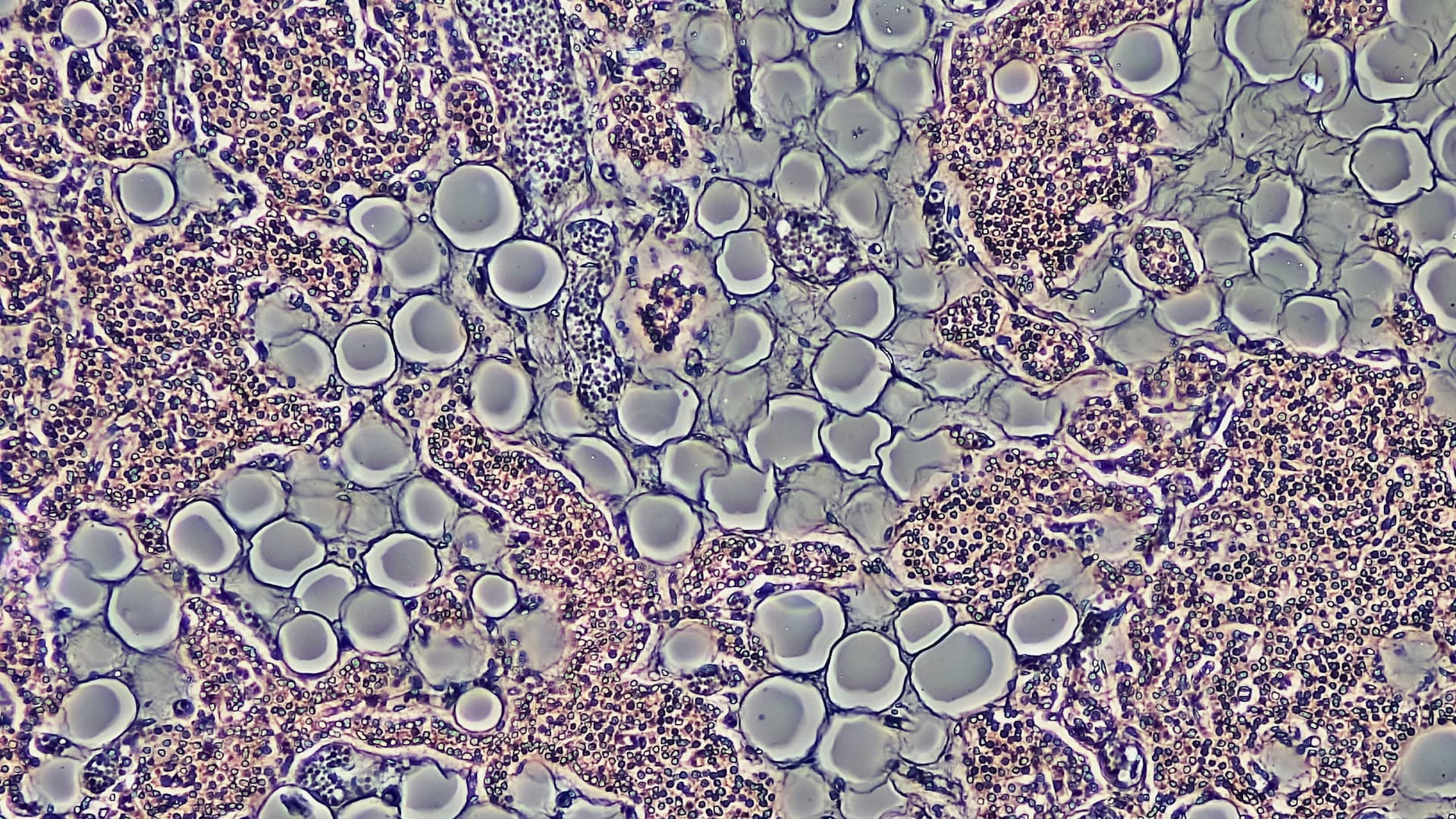
The result is a pool of simple building blocks like amino acids and simple sugars. These are then released back into the cytosol for the cell to reuse in building new structures.
The importance of acidic pH levels
The lysosome maintains a highly acidic environment, typically around pH 4.5 to 5.0. This acidity is crucial because the hydrolytic enzymes are only active under these specific conditions.
This requirement serves as a vital safety mechanism for the cell. If a lysosome were to accidentally break open, its enzymes would leak into the neutral cytosol.
Because the cytosol has a neutral pH of about 7.2, the leaked enzymes become inactive immediately. This prevents the cell from digesting itself from the inside out.
What are lysosomal storage disorders?
Failure of this system can lead to severe genetic conditions known as lysosomal storage disorders. These occur when a specific enzyme is missing or defective.
Without the correct enzyme, the lysosome cannot break down a particular type of waste. This undigested material accumulates over time, causing the lysosome to swell and disrupting cell function.
Tay-Sachs disease is a well-known example where nerve cells become clogged with fatty substances. While lysosomes handle the bulky trash, a more specialized system handles the disposal of individual protein molecules.
Proteasomes: Precision shredders for damaged proteins
Proteasomes are barrel-shaped protein complexes responsible for identifying and destroying damaged or unneeded proteins. This system prevents the accumulation of misfolded proteins that can clog cellular functions.
The ubiquitin tagging system
The cell uses a sophisticated labeling system to identify which proteins need to be destroyed. A small molecule called ubiquitin acts as a 'kiss of death' for unwanted proteins.
Enzymes attach chains of ubiquitin molecules to the target protein. This tag serves as a clear signal to the rest of the cell that this specific molecule is trash.
Once tagged, the protein is recognized by the proteasome. This ensures that healthy, functional proteins remain untouched while damaged ones are selected for removal.
The mechanism of protein degradation
The proteasome structure resembles a hollow cylinder or trash can with a lid. The tagged protein binds to the lid, where the ubiquitin tags are removed and recycled.
The protein is then unfolded into a linear chain and threaded into the central chamber. Inside this chamber, enzymes chop the long protein chain into small peptide fragments.
These fragments are ejected and further broken down into amino acids. Beyond shredding individual proteins, cells sometimes need to initiate a massive cleanup event known as autophagy.
Autophagy: The self-cleaning mechanism
Autophagy is a regulated process where the cell degrades its own components to recycle energy and remove dysfunction. It is a critical survival mechanism triggered during stress or nutrient deprivation.
How the autophagy process works
The mechanism of autophagy involves the creation of a double-membrane structure called a phagophore. This structure expands to engulf the cellular waste.
1. Nucleation — A membrane forms around the debris or organelle.
2. Elongation — The membrane closes to create a sealed vesicle called an autophagosome.
3. Fusion — The autophagosome travels to and fuses with a lysosome for degradation.
This effectively allows cells to 'eat themselves' to survive tough conditions. It turns old parts into new energy.
Macroautophagy vs. microautophagy
Scientists distinguish between different methods of sequestration. Macroautophagy is the most common form, involving the creation of the distinct vesicle described above.
In contrast, microautophagy involves the lysosome directly engulfing cytoplasmic material. The lysosomal membrane itself invaginates to trap the waste without needing a separate delivery vehicle.
The role of selective autophagy
Autophagy is not always a random scooping of cytoplasm. Selective autophagy targets specific damaged structures for quality control.
For example, mitophagy specifically removes old or malfunctioning mitochondria. Xenophagy is the targeted removal of invading pathogens like bacteria.
Recycling components for energy
One of the primary benefits of this process is metabolic survival. During periods of starvation, autophagy rates increase dramatically.
The cell breaks down non-essential components to generate amino acids and ATP. This provides the energy required to maintain vital functions until nutrients become available again.
While autophagy handles internal structures, other organelles focus specifically on chemical detoxification.
Peroxisomes: Detoxifying fats and chemicals
Peroxisomes are small organelles specialized in breaking down fatty acids and neutralizing toxic chemical byproducts. They are particularly abundant in liver and kidney cells due to their role in detoxification.
Oxidizing fatty acids
A major function of peroxisomes is the breakdown of very long-chain fatty acids. Through a process called beta-oxidation, these complex fats are chopped into smaller units.
These smaller units are then shuttled to the mitochondria. Once there, they are used to produce energy for the cell.
Neutralizing hydrogen peroxide
The oxidation reactions inside peroxisomes produce hydrogen peroxide as a byproduct. This chemical is toxic and can damage cellular DNA and proteins if left unchecked.
To counter this, peroxisomes contain high concentrations of the enzyme catalase. Catalase rapidly converts harmful hydrogen peroxide into safe water and oxygen.
Once waste is processed or neutralized, it often needs to be physically ejected from the cell entirely.
Exocytosis: Transporting trash outside the cell
Exocytosis is the final step for waste that cannot be recycled, where vesicles fuse with the cell membrane to expel contents. This process pushes toxins and indigestible debris into the extracellular space.
Vesicle transport to the membrane
Waste materials are packaged into vesicles deep within the cell. These vesicles do not float randomly; they are transported along cytoskeleton tracks.
Motor proteins actively carry the waste-filled vesicles toward the plasma membrane. This ensures efficient delivery to the cell's border.
Fusion and release
Upon reaching the boundary, the vesicle membrane docks with the cell membrane. The two membranes rearrange and fuse together.
This opening allows the vesicle's contents to spill out into the extracellular fluid. From there, the lymphatic or circulatory system carries the waste away for systemic removal.
These systems function seamlessly in healthy cells, but failures in these mechanisms are linked to serious health conditions.
What happens when waste removal fails?
When cells lose their ability to clear waste effectively, toxic byproducts accumulate and disrupt normal function. This cellular clutter is a hallmark of aging and several chronic diseases.
Neurodegenerative implications
The brain is particularly sensitive to failed proteostasis, or protein quality control. Research strongly links the accumulation of misfolded proteins to cognitive decline.
In conditions like Alzheimer's disease, amyloid plaques and tau tangles build up outside and inside neurons. This waste physically blocks communication between brain cells and triggers cell death.
Cellular senescence (Zombie cells)
Waste buildup can force a cell into a state called senescence. These 'zombie cells' stop dividing but refuse to die.
Instead of clearing out, they linger and secrete inflammatory chemicals that damage neighboring healthy cells. This contributes to tissue aging and chronic inflammation.
Metabolic storage diseases
Systemic failure of specific enzymes leads to metabolic disorders. Organs like the liver and spleen may enlarge as they become packed with unprocessed cellular garbage.
This dysfunction affects the body's ability to process nutrients and energy. The consequences range from muscle weakness to severe developmental issues.
When to seek care
Cellular waste buildup itself is not something you can feel directly. However, persistent symptoms often point to underlying metabolic or systemic issues.
1. Developmental delays — Significant regression in children.
2. Chronic fatigue — Unexplained exhaustion that rest does not cure.
3. Neurological changes — Memory loss or tremors should be evaluated medically.
While genetics play a role, certain lifestyle factors may influence the efficiency of these cleaning systems.
Can lifestyle habits influence cellular cleaning?
Research suggests that certain physiological states can upregulate waste clearance mechanisms like autophagy and the glymphatic system. However, these are supportive habits, not medical cures.
The critical role of sleep
The brain has a unique waste removal system called the glymphatic system, which is most active during deep sleep. While we rest, cerebrospinal fluid flushes through brain tissue to remove toxins.
Chronic sleep deprivation impairs this flushing process. Prioritizing 7-9 hours of quality sleep is one of the most effective ways to support neural waste clearance.
Fasting and nutrient timing
Low insulin states, often achieved through fasting or time-restricted eating, are known triggers for autophagy. When nutrients are scarce, cells switch from growth mode to cleanup mode.
Navigating these dietary changes can be complex for beginners. Digital tools like no.Diet help simplify this approach by offering personalized guidance without rigid rules.
However, fasting protocols depend heavily on individual health status. It is important to consult a healthcare provider before making drastic changes to meal frequency.
Exercise and cellular stress
Physical exercise acts as a form of hormetic stress that benefits cellular health. It stimulates mitochondrial turnover, prompting the removal of weak mitochondria.
Regular aerobic and resistance training triggers adaptive responses. These adaptations enhance the efficiency of waste removal systems throughout muscle and organ tissues.
By combining these lifestyle pillars, we can create an environment that supports natural cellular maintenance.
FAQ
What is the main organelle for waste disposal?
The lysosome is generally considered the main organelle for cellular waste disposal. It handles the digestion of large debris, organelles, and bacteria using potent enzymes.
How do plant cells get rid of waste compared to animal cells?
Plant cells use vacuoles rather than lysosomes as their primary waste disposal system. These large central vacuoles store waste products and degrading enzymes, maintaining turgor pressure simultaneously.
Does water help cells remove waste?
Yes, adequate hydration is essential for waste removal at a cellular level. Water acts as the medium for transporting waste products out of cells and into the bloodstream for elimination.
Can you detox your cells with supplements?
There is little evidence that specific 'detox' supplements directly clear cellular waste. The most effective way to support cellular cleaning is through sleep, exercise, and allowing natural processes like autophagy to function.
Related Articles

Postbiotics vs Probiotics: Which Delivers Faster Gut Relief
Health5 min read

Wellness Trends 2026 Worth Trying For Adults Seeking Sustainable Healthspan
Health5 min read

What Does HRV Actually Tell You to Maximize Recovery
Health5 min read

Senior Diet App Review: Sustainable Weight Loss After 60?
Health5 min read

What Changes in Perimenopause: A Guide for Women in Their Mid-40s
Health5 min read

What Electrolytes Do I Need on Keto to Keep Energy Steady and Skip the Cramps
Health5 min read
Comments
(0)Leave a comment
Your email will not be published. All fields are required.