Simplify your progerin-fighting nutrition plan today.
Explore no.Diet features
How to Reduce Progerin Naturally
By: Healthtime Editorial
Fact checked by: QA Team
Updated on: September 17, 2026
0
368
8 min
In this article
- Understanding Progerin and Cellular Aging
- Nutritional Compounds to Lower Progerin Levels
- The Critical Link Between Vitamin D and Nuclear Health
- Lifestyle Habits That Trigger Progerin Clearance
- Topical Strategies for Skin Progerin
- When to Seek Professional Care
- FAQ
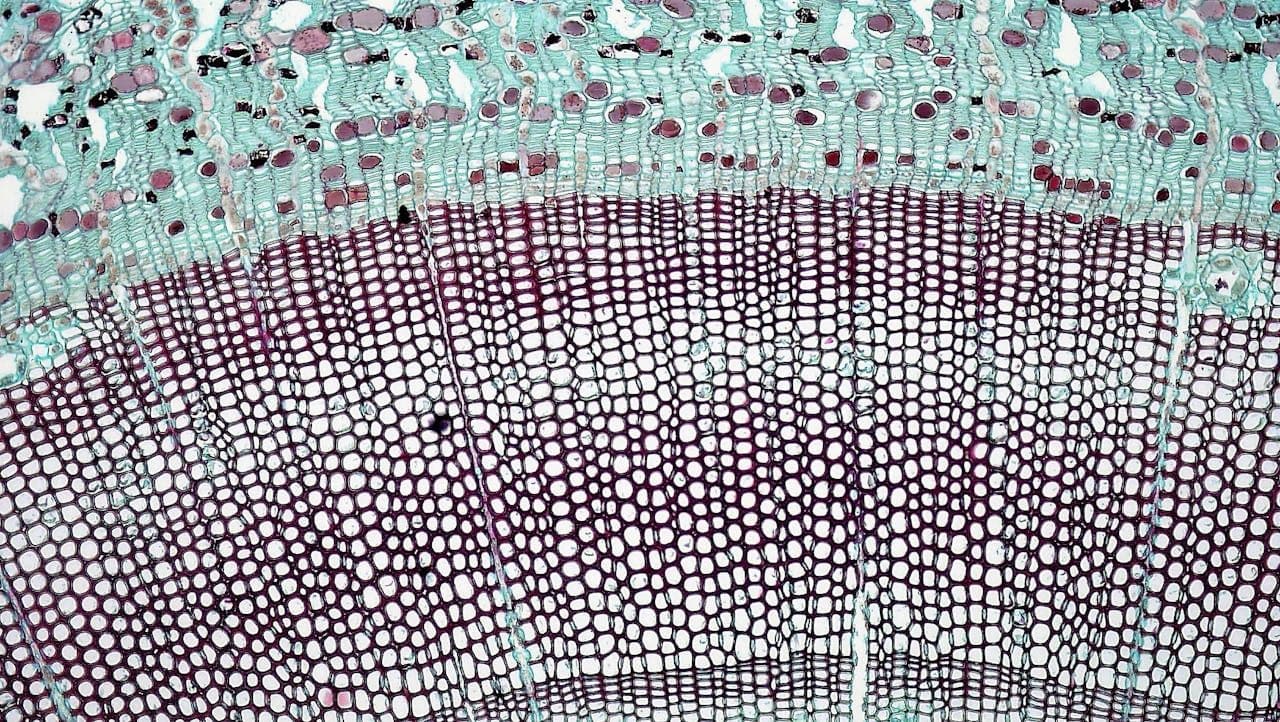
To reduce progerin naturally, you must activate cellular clearance mechanisms like autophagy through fasting, intense exercise, and heat stress. Additionally, consuming compounds like sulforaphane and maintaining optimal Vitamin D levels helps stabilize nuclear health.
This guide covers the most effective science-backed strategies to lower cellular toxicity. I will explain how lifestyle choices and targeted nutrition can impact the aging process at a molecular level.
Understanding these mechanisms allows you to take control of your biological age.
Understanding Progerin and Cellular Aging
Progerin is a toxic, truncated form of the protein Lamin A that destabilizes the cell nucleus and drives aging. While high levels cause genetic conditions like Hutchinson-Gilford Progeria Syndrome (HGPS), lower levels accumulate in everyone over time.
This accumulation contributes significantly to cellular senescence and tissue dysfunction.
The Mechanism of Progerin Accumulation
Splicing errors in the LMNA gene lead to the production of progerin. This protein permanently attaches to the nuclear membrane, preventing it from functioning correctly.
The physical effect is dramatic; it deforms the cell nucleus, making it look like a raisin instead of a grape. This structural collapse leads to DNA damage and genomic instability.
Research shows this happens at a low rate in healthy individuals as they age. It is a fundamental driver of the aging process itself.
Why Clearance Matters for Longevity
Progerin essentially acts as "cellular trash" that clogs up the machinery of the cell. If the cell cannot clear this toxic protein via autophagy, it risks becoming a senescent or "zombie" cell.
Reducing the burden of progerin is theoretically linked to improved skin elasticity and extended cellular lifespan. Efficient clearance allows the nucleus to maintain its shape and function.
Once we understand the mechanism, we can look at specific dietary compounds shown to assist in clearing these proteins.
Nutritional Compounds to Lower Progerin Levels
Certain phytochemicals have been shown in studies to activate the proteasome system or autophagy. I focus on compounds with the strongest evidence profile for assisting the body in breaking down defective proteins.
Sulforaphane and Broccoli Sprouts
Sulforaphane, found abundantly in cruciferous vegetables and especially broccoli sprouts, is a primary agent for cellular health. It activates the Nrf2 pathway, which is a master regulator of antioxidant responses.
This activation enhances proteasome activity, which helps degrade toxic proteins like progerin. General findings link sulforaphane intake to improved nuclear folding and reduced cellular stress.
Resveratrol and Sirtuin Activation
Resveratrol, found in grapes and berries, plays a crucial role in activating SIRT1. Sirtuins are a family of proteins associated with DNA repair and longevity.
Activation of SIRT1 helps mitigate the toxicity of progerin accumulation by improving cellular resilience. Many people incorporate these foods to support their body's natural repair systems.
The Role of Flavonoids like Morin
Morin is a lesser-known but potent flavonoid found in mulberries, figs, and almonds. Research suggests it can restore nuclear shape in aged cells.
1. Source identification — Focus on mulberries and figs for high concentrations.
2. Mechanism — Morin disrupts the interaction between progerin and the nuclear membrane.
3. Result — Studies indicate a reduction in progerin markers and improved nuclear circularity.
2. Mechanism — Morin disrupts the interaction between progerin and the nuclear membrane.
3. Result — Studies indicate a reduction in progerin markers and improved nuclear circularity.
Curcumin and Cellular Stress
Curcumin, the active compound in turmeric, is renowned for its anti-inflammatory and antioxidant properties. It has the potential to modulate cellular stress responses triggered by progerin toxicity.
Integrating these complex dietary requirements can be challenging for some. I have observed that using digital tools like no.Diet can help individuals track their intake of these specific longevity compounds effectively.
While antioxidants assist with clearance, one specific vitamin plays a structural role in preventing the damage progerin causes.
The Critical Link Between Vitamin D and Nuclear Health
Vitamin D is more than a vitamin; it acts as a hormone that directly influences nuclear stability. Deficiency in Vitamin D is strongly correlated with increased cellular stress in the presence of progerin.
The expression of the Lamin A gene is tightly regulated by hormonal signals. Ensuring sufficiency is a foundational step in any progerin reduction strategy.
Vitamin D Receptor (VDR) Signaling
VDR signaling helps maintain the integrity of the nuclear envelope. When VDR signaling is low, the toxic effects of progerin are often amplified.
The receptor binds to Vitamin D and regulates gene expression that protects the nucleus. This mechanism provides a compelling reason to prioritize D3 levels for anti-aging purposes.
Optimizing Levels for Longevity
Maintaining sufficiency requires a combination of sensible sun exposure and dietary sources. When supplementation is necessary, combining Vitamin D3 with K2 is often recommended to ensure calcium is directed away from arteries.
Testing is essential before starting any high-dose regimen. You must know your baseline levels to avoid toxicity and ensure you are in the optimal therapeutic range.
Beyond what we ingest, how we behave—specifically how we cycle energy—dictates how well our cells clean themselves.
Lifestyle Habits That Trigger Progerin Clearance
The body has an innate cleaning system called autophagy, which can identify and recycle misfolded proteins. Activating this system through lifestyle stressors is one of the most effective natural ways to combat progerin accumulation.
These hormetic stressors signal the cell to prioritize repair over growth. This shift is critical for clearing out accumulated cellular debris.
Intermittent Fasting and Time-Restricted Eating
Fasting, specifically windows of 16 hours or more, leads to the downregulation of mTOR. When mTOR is suppressed, autophagy is upregulated.
This gives the body a dedicated "cleanup window" to degrade defective proteins. Many people find that tracking their fasting windows with apps like no.Diet helps them maintain the consistency required for these cellular benefits.
High-Intensity Interval Training (HIIT)
Acute exercise stress stimulates cellular repair mechanisms immediately. Resistance training and HIIT specifically boost autophagy markers in skeletal muscle tissue.
1. Sprint intervals — 30 seconds max effort followed by rest triggers metabolic stress.
2. Resistance loading — Heavy lifting signals the need for protein turnover.
3. Recovery — The repair phase post-exercise is when clearance peaks.
2. Resistance loading — Heavy lifting signals the need for protein turnover.
3. Recovery — The repair phase post-exercise is when clearance peaks.

Heat Stress and Sauna Use
Sauna exposure triggers the release of Heat Shock Proteins (HSPs). These proteins help refold misfolded proteins or tag them for removal.
Regular heat stress mimics a mild fever, mobilizing the body's defense systems. This potentially addresses progerin-related damage by enhancing overall protein quality control.
Prioritizing Glymphatic Clearance via Sleep
Sleep plays a massive role in brain waste clearance through the glymphatic system. While progerin affects all cells, deep sleep is essential for overall protein homeostasis.
During deep sleep, the space between brain cells expands to flush out toxins. Chronic sleep deprivation hampers this process, leading to faster accumulation of cellular damage.
These internal biological changes often manifest externally, leading many to look for topical solutions.
Topical Strategies for Skin Progerin
Since progerin accumulation is a major driver of skin aging, causing elastosis and thinning, topical applications can complement internal strategies. The goal here is to support the skin's structural matrix directly.
Biomimetic Peptides
Peptides like Progeline (trifluoroacetyl tripeptide-2) are gaining attention in longevity skincare. While lab-created, they are designed to mimic natural inhibition mechanisms that lower progerin synthesis.
This represents a key crossover between natural goals and clinical science. Studies suggest these peptides can improve skin firmness and density.

Antioxidant Protection and UV Defense
UV radiation is a potent accelerator of progerin production in skin cells. Protecting against photo-aging is the single most effective external habit.
Using broad-spectrum protection alongside topical antioxidants like Vitamin C and E is crucial. These antioxidants neutralize free radicals that would otherwise trigger further progerin buildup.
It is important to recognize when signs of aging go beyond the normal scope of progerin accumulation.
When to Seek Professional Care
While natural reduction of progerin is a valid anti-aging strategy, accelerated aging symptoms can sometimes indicate underlying medical conditions. It is vital to distinguish between cosmetic aging and systemic health issues.
Identifying Accelerated Aging
Certain signs warrant a doctor's visit, such as unexplained hair loss in patches or rapid skin thinning. Cardiovascular issues appearing at a young age are also red flags.
If you notice sudden, rapid changes in skin texture or elasticity that do not match your family history, seek advice. These symptoms may require more than lifestyle interventions.
Medical Testing Options
Functional medicine practitioners might look at markers like CRP to assess inflammation levels. They may also test for specific nutrient deficiencies like Vitamin D and Zinc.
These markers relate directly to cellular health, even if they do not measure progerin directly. Comprehensive panels provide a clearer picture of your biological age.
Understanding these boundaries ensures you take a balanced approach to longevity.
FAQ
Can you completely remove progerin from the body?
No, you cannot completely remove it, as it accumulates naturally with age. However, lifestyle interventions can significantly slow its accumulation and enhance the body's clearance mechanisms.
What foods help reduce progerin?
Broccoli sprouts (sulforaphane), grapes (resveratrol), and mulberries (morin) are among the most effective foods. They activate pathways that assist in cellular cleanup.
Does retinol reduce progerin?
Retinol increases cell turnover, which can help reduce the burden of senescent cells in the skin. However, it does not directly inhibit progerin production in the same way specific peptides might.
Is progerin accumulation reversible?
While you cannot reverse time, studies on human cells suggest that certain compounds can reverse nuclear defects associated with progerin. This restores better function to the cell, essentially reversing the "age" of that specific cell.
Related Articles

Postbiotics vs Probiotics: Which Delivers Faster Gut Relief
Health5 min read

Wellness Trends 2026 Worth Trying For Adults Seeking Sustainable Healthspan
Health5 min read

What Does HRV Actually Tell You to Maximize Recovery
Health5 min read

Senior Diet App Review: Sustainable Weight Loss After 60?
Health5 min read

What Changes in Perimenopause: A Guide for Women in Their Mid-40s
Health5 min read

What Electrolytes Do I Need on Keto to Keep Energy Steady and Skip the Cramps
Health5 min read
Comments
(0)Leave a comment
Your email will not be published. All fields are required.