Support your metabolic health with personalized nutrition guidance.
Explore no.Diet tools
Berberine for Weight Loss: A Realistic Guide to Benefits and Safety
By: Healthtime Editorial
Fact checked by: QA Team
Updated on: September 17, 2026
0
9981
8 min
In this article
- How berberine influences weight and metabolism
- Best practices: How to take berberine for weight loss
- Additional health benefits beyond the scale
- Safety, side effects, and interactions
- Maximizing results: Lifestyle pairings
- FAQ
- Conclusion
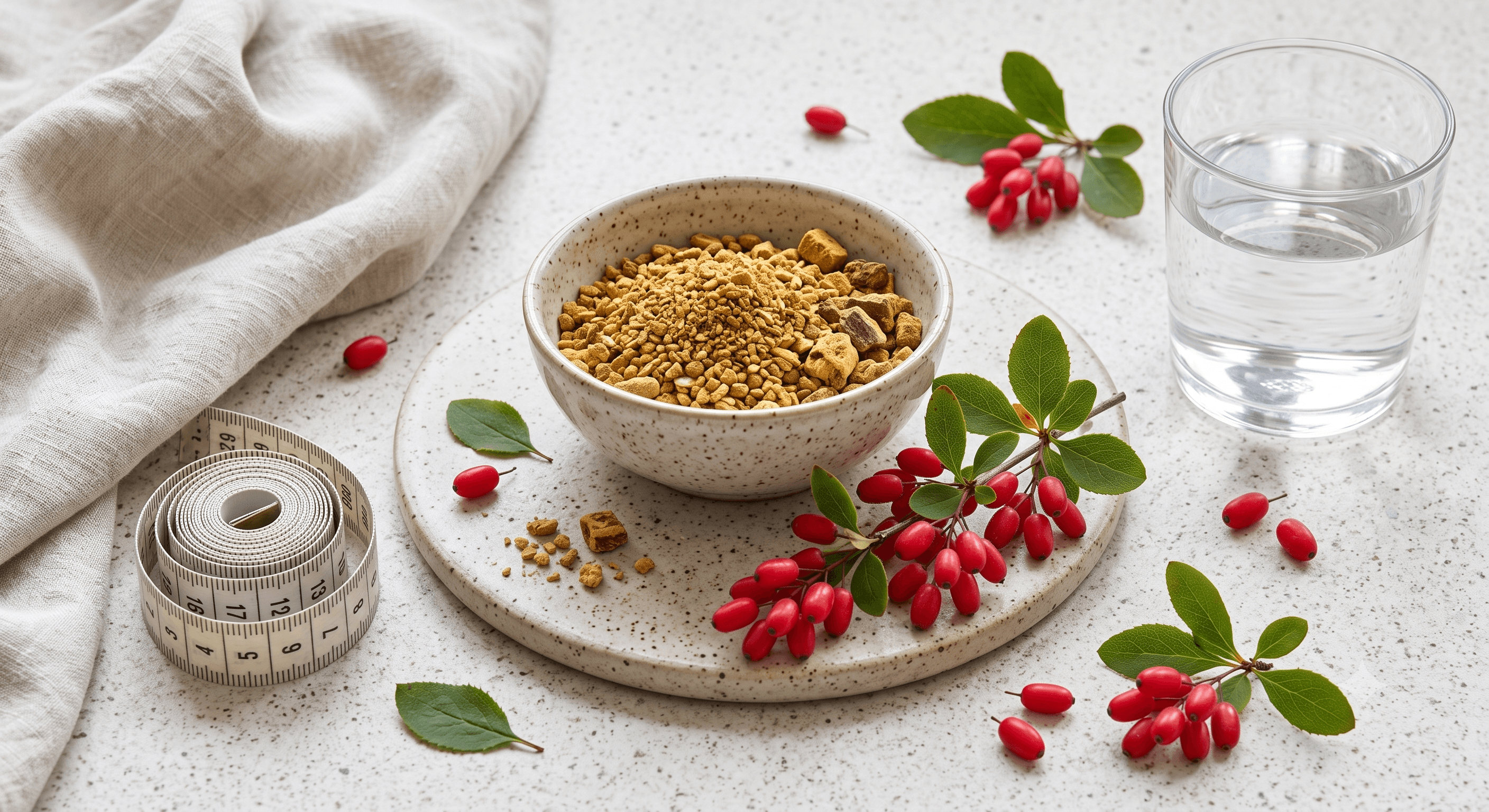
Many people feel like they are doing everything right with their diet and exercise but still cannot shift stubborn pounds. This frustration often leads to a search for supplements that can provide an extra metabolic edge.
Berberine for weight loss has surged in popularity recently, often sparking debates about its effectiveness compared to prescription options. I have reviewed the latest data to understand how this yellow plant alkaloid actually works.
This guide covers the science behind the supplement, how to dose it safely, and the realistic results you can expect. It is time to look beyond the hype and focus on the physiological facts.
How berberine influences weight and metabolism
Berberine is a bioactive compound extracted from plants like goldenseal and barberry that acts on the body at a molecular level. Its primary value lies in shifting the body's metabolic state from fat storage to energy expenditure.
Unlike simple stimulants like caffeine, berberine influences how your cells handle energy. This foundational change is what makes it a compelling option for long-term weight management.
Activating AMPK: The 'metabolic master switch'
At the cellular level, berberine is best known for activating an enzyme called AMP-activated protein kinase (AMPK). Scientists often refer to AMPK as the body's 'metabolic master switch' because it dictates energy balance.
When AMPK is activated, it signals to your cells that energy is low and needs to be generated. This triggers the mitochondria to burn glucose and fatty acids for fuel rather than storing them.
Essentially, berberine helps turn on the calorie-burning machinery that often sits dormant in sedentary lifestyles. Research suggests this activation mimics the metabolic effects of exercise or fasting.
Regulating blood sugar and insulin spikes
Stabilizing glucose levels is critical because excess blood sugar triggers insulin release, which promotes fat storage. Berberine has demonstrated a remarkable ability to decrease insulin resistance in various studies.
Data indicates that consistent use can lower HbA1c levels, often by 0.5% to 1% in individuals with metabolic challenges. By improving insulin sensitivity, the body becomes more efficient at using carbohydrates for immediate energy.
This prevents those carbohydrates from being shuttled directly into adipose tissue. Better insulin control is arguably the foundation for sustainable weight management.
Berberine vs. 'Nature’s Ozempic': Managing expectations
You may have seen headlines comparing berberine to GLP-1 agonists like Ozempic or Wegovy. While berberine may stimulate the secretion of GLP-1 (a hormone that promotes satiety), the mechanism is quite different.
Pharmaceutical injections provide a potent, synthetic dose of hormones that drastically reduce appetite. Berberine’s effect is significantly milder and works through a more natural modulation of gut hormones.
It is important to view berberine as a valid, non-prescription support tool rather than a miracle drug. It does not force the body to lose weight rapidly but supports the metabolic conditions that make weight loss possible.
Expecting pharmaceutical-grade results from a plant extract often leads to disappointment. However, for those seeking a gentle approach without needles, it remains a strong contender.
| Feature | Comparison |
|---|---|
Mechanism | AMPK activation vs. GLP-1 agonism |
Potency | Moderate support vs. high intensity |
Accessibility | Over-the-counter vs. prescription |
Impact on visceral fat and BMI
Research findings consistently point to reductions in Body Mass Index (BMI) and waist circumference among users. The most encouraging data focuses on the quality of the weight lost during these trials.
Studies have observed participants losing 1–2 inches off their waistlines over a 12-week period. This specific reduction suggests that berberine targets harmful visceral belly fat.
Visceral fat is metabolically active and dangerous, so reducing it improves health far beyond aesthetics. Understanding this mechanism is key, but knowing how to use it correctly determines whether you see results.
Best practices: How to take berberine for weight loss
Because berberine has a short half-life and specific absorption challenges, dosing consistency is critical for success. This protocol helps maximize bioavailability while minimizing common digestive discomfort.
I often see people fail to get results simply because their dosing schedule is erratic. Treating this supplement with the same discipline as medication yields the best outcomes.
Standard dosage recommendations
The typical dosage range used in successful clinical trials falls between 1,000 to 1,500 mg per day. Taking this amount all at once is generally not recommended due to absorption limits.
Splitting the total amount into two or three smaller doses is necessary to keep blood levels stable. This approach ensures the compound is active in your system throughout the day.
Timing your doses with meals
Taking berberine shortly before a meal, ideally 15–30 minutes prior, is the gold standard. This timing leverages the compound's glucose-lowering spike to blunt post-meal blood sugar surges effectively.
If you forget to take it before eating, taking it with the meal is the next best option. Taking it on an empty stomach far from food may lead to hypoglycemia symptoms like dizziness.
Improving absorption and bioavailability
Standard berberine formulations suffer from poor oral bioavailability, meaning much of it is not absorbed. Pairing your dose with healthy fats or choosing phytosome delivery systems can significantly enhance uptake.
Consistency is more important than the specific dosage form you choose. Missing doses significantly drops effectiveness because the body clears the compound rapidly.
Cycling strategies: When to take a break
Many experts recommend cycling berberine rather than taking it indefinitely without pause. A common schedule involves taking it for 8 weeks followed by a 2-week break.
This prevents the body from adapting to the compound, potentially maintaining its efficacy. It also minimizes any long-term impact on the gut microbiome, making it a prudent approach for long-term users.
Proper dosing can enhance effectiveness, but you must also be aware of the side effects that often accompany this potent alkaloid.
Additional health benefits beyond the scale
Weight loss is rarely an isolated goal; it is usually part of a broader picture of cardiovascular and metabolic wellness. Berberine offers a 'side effect' profile that includes significant improvements to heart and gut health.
I find that focusing on these holistic benefits often keeps people motivated even when the scale stalls. The systemic improvements can be just as impactful as the physical changes.
Supporting healthy cholesterol levels
Berberine helps lower LDL (bad cholesterol) and triglycerides while potentially raising HDL. The mechanism involves upregulation of the hepatic LDL receptor, which helps the liver clear cholesterol from the blood.
This presents a dual benefit for the 30% or more of overweight individuals who also manage lipid issues. It addresses metabolic health from multiple angles simultaneously.
Gut microbiome optimization
The antimicrobial properties of berberine allow it to modulate gut bacteria effectively. It tends to reduce harmful strains while supporting beneficial ones like *Akkermansia muciniphila*.
*Akkermansia* is linked to improved metabolic health and stronger intestinal walls. A healthier gut barrier reduces the leakage of toxins into the bloodstream, which can drive weight gain.
Reducing systemic inflammation
Berberine exhibits anti-inflammatory properties, often lowering markers like C-reactive protein (CRP). Chronic inflammation often hinders weight loss by disrupting hormonal signals.
Addressing this underlying inflammation makes it an important tool for breaking through weight loss plateaus. Despite these robust benefits, berberine is powerful and requires caution regarding interactions and tolerance.
Safety, side effects, and interactions
Berberine is generally safe for most adults, but its potency means it behaves similarly to medication in some contexts. Being aware of potential gastrointestinal signals is the first step to safe use.
I always advise starting slowly to let your body adjust to the new compound. Rushing into a full dose is the most common mistake new users make.
Common digestive adjustments
The most frequent side effects include cramping, diarrhea, and constipation, which affect up to 20–30% of new users. These issues are often temporary and related to the antimicrobial shift in the gut.
Starting with a lower dose, such as 500 mg once daily, and titrating up usually resolves these issues. Taking the supplement with food also significantly creates a buffer for digestion.
Critical drug interactions to watch
Berberine interacts with liver enzymes (CYP450) and can alter the metabolism of various drugs. It is crucial for users taking Metformin, insulin, or blood thinners to consult a doctor.
Combining berberine with blood sugar medications can amplify effects and lead to hypoglycemia. Monitoring is essential to ensure levels do not drop too low.
Who should avoid berberine
Pregnant and breastfeeding women should avoid berberine due to the risk of kernicterus in infants. This is a non-negotiable safety guidance regardless of weight loss goals.
It is also generally not recommended for young children without strict medical supervision. To truly unlock the weight loss potential of berberine, it should be paired with the right lifestyle choices.
Maximizing results: Lifestyle pairings
No supplement works in a vacuum, and berberine shines brightest when it supports a healthy foundation. Combining this supplement with specific dietary strategies creates a synergistic effect.
The supplement acts as an accelerator, but your daily habits provide the fuel. Without dietary changes, the metabolic benefits are often limited.
Dietary synergy: Low-carb and intermittent fasting
Berberine pairs exceptionally well with lower-carbohydrate diets or intermittent fasting protocols. Since both strategies aim to lower insulin, adding berberine accelerates the metabolic shift toward fat burning.
However, tracking fasting windows and carb intake can be difficult to sustain alone. Many people use digital tools like no.Diet to personalize their meal plans and stay consistent with these protocols.
By aligning your supplement intake with a structured eating window, you maximize the impact on insulin sensitivity. This combination is often more effective than dieting or supplementation alone.
Exercise performance and recovery
Improved glucose uptake from berberine helps fuel muscles more efficiently during workouts. Users often report feeling more stable energy levels during exercise, avoiding the mid-workout crash.
This energy stability supports the consistency required to lose that extra 5–10% of body weight. Regular movement amplifies the AMPK activation that berberine initiates.
FAQ
How much weight can you lose with berberine?
Studies generally show a weight loss of 2 to 5 pounds over a 12-week period without major lifestyle changes. However, when combined with diet and exercise, results can be significantly higher.
How long does it take to see weight loss results from berberine?
Most users begin to see noticeable changes in weight or body measurements after 8 to 12 weeks of consistent use. Metabolic changes, such as improved blood sugar, may occur within the first month.
Can I take berberine with Metformin?
You should not combine them without medical supervision because both lower blood sugar and can lead to hypoglycemia. A doctor may adjust your dosages to use them safely together.
Is berberine safe to take every day?
It is generally safe for daily use in the short to medium term (up to 6 months). Long-term safety data is limited, which is why cycling the supplement is often recommended.
Conclusion
Berberine is a powerful tool for metabolic health, offering benefits that go beyond simple weight loss. By activating AMPK and regulating insulin, it addresses the root causes of weight gain.
Success requires consistency, proper dosing, and a willingness to pair the supplement with healthy lifestyle choices. It is not a magic pill, but for many, it is the missing link.
If you are ready to optimize your metabolic health, consider integrating berberine into your routine responsibly. Always listen to your body and adjust as needed to find what works best for you.
Related Articles

"Health Maxxing" For Millennials: How To Optimize Energy And Longevity In 90 Days
Health5 min read

What Increases Cortisol: Everyday Triggers for Busy 25-55 Year Olds and Positive Habits to Support Healthy Rhythm
Health5 min read

Postbiotics vs Probiotics: Which Delivers Faster Gut Relief
Health5 min read

Wellness Trends 2026 Worth Trying For Adults Seeking Sustainable Healthspan
Health5 min read

What Does HRV Actually Tell You to Maximize Recovery
Health5 min read

Senior Diet App Review: Sustainable Weight Loss After 60?
Health5 min read
Comments
(0)Leave a comment
Your email will not be published. All fields are required.